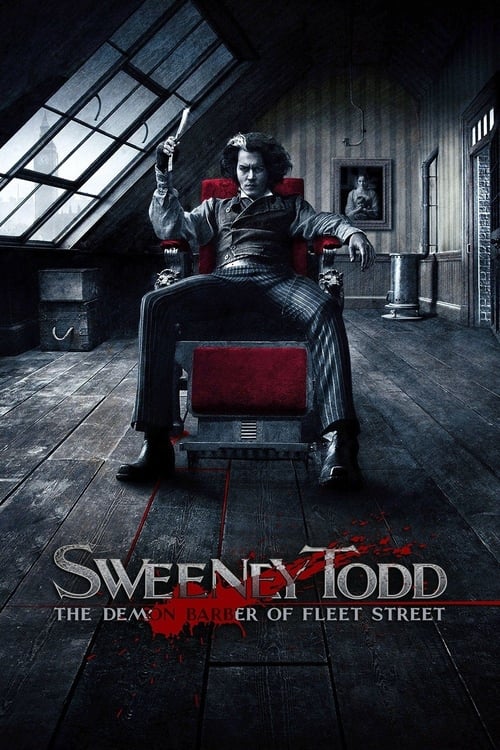
Sweeney Todd: The Demon Barber of Fleet Street
2007
No user ratings available yet
Representation score: 6.3 out of 10
Representation Score
Minimal
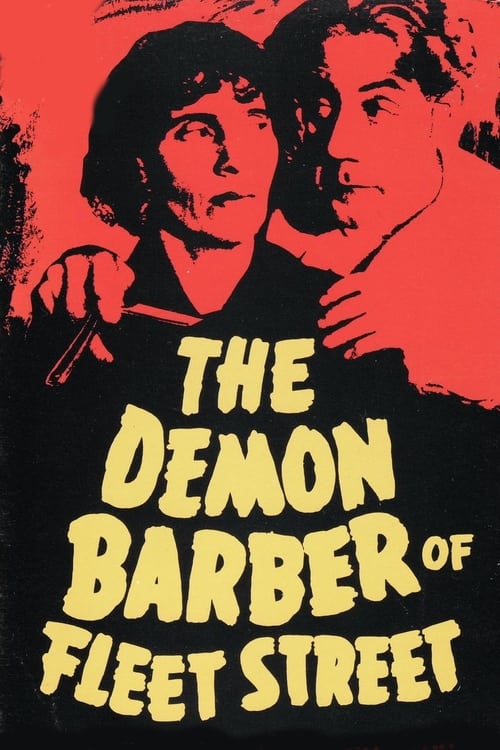
1936
NRDirector
George King
Runtime
76 minutes
Average Rating
No ratings yetNew Showbiz Analysis
This 1936 production is a period-specific horror drama that adheres strictly to the social and cinematic norms of its time. It functions as a traditional cautionary tale centered on a predatory protagonist and his accomplice. The film does not intentionally disrupt identity or systemic power dynamics. While it touches on themes of poverty and global maritime connections, it does not use these elements to challenge contemporary social norms. Ultimately, the narrative operates within standard Victorian gothic clichés, prioritizing genre conventions over diverse representation.
Category Breakdown
The film focuses on a criminal partnership between Todd and Mrs. Lovett, which is oriented towards straight relationships. There are no characters representing LGBTQ+ identities or non-cisgender narratives.
Mrs. Lovett plays a significant role in managing her meat pie business, but she remains a traditional accomplice archetype. The central violence is driven by the male protagonist.
The setting includes sailors from foreign lands, but the focus remains on domestic crime. The cast reflects the homogeneous demographics typical of 1930s British cinema.
The story explores urban poverty and underworld corruption through a traditional lens. It does not include modern institutional critiques or moral relativism.
There are no characters with visible or invisible disabilities who have real ability to act. The focus remains on the mechanics of the crime.
Present on Screen
Limited or Absent
Official Synopsis
It is England in the 1830s. London's dockside is teeming with ships and sailors who have made their fortune in foreign lands. Sweeney Todd, a Fleet Street barber, awaits the arrival of men whose first port of call is for a good, close shave. For most it will be the last time they are seen alive. Using a specially designed barber's chair, Sweeney Todd despatches his victims to the cellar below, where he robs them of their new found fortunes and chops their remains into small pieces. Meanwhile, Mrs Lovett is enjoying a roaring trade for her popular penny meat pies.
2007
2006
1926
1925
1970

1998

1945
1967
No reviews yet. Be the first to share your thoughts on this movie!
Use the rating form above to leave a star rating and optional review.