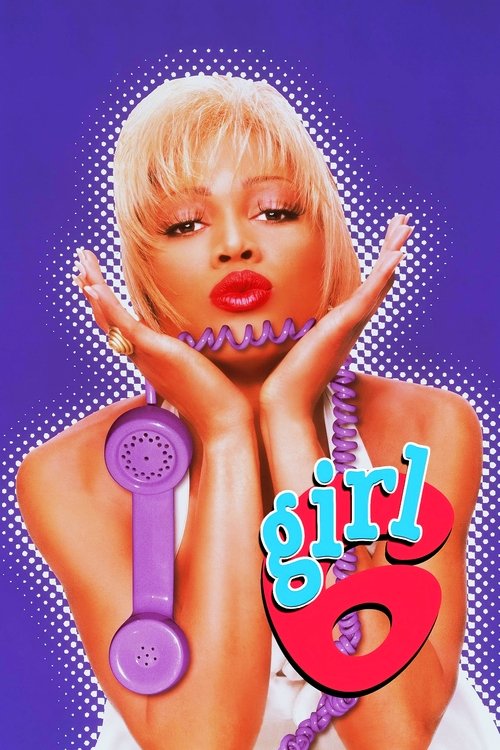
Girl 6
1996
No user ratings available yet
Representation score: 8.7 out of 10
Representation Score
Good
1996
Director
Cheryl Dunye
Runtime
10 minutes
Average Rating
No ratings yetNew Showbiz Analysis
Cheryl Dunye’s work is a landmark in storytelling that centers underrepresented identities. By using a semi-autobiographical style, the film places the Black lesbian experience at the heart of the plot, reclaiming narratives that were often overlooked in mainstream cinema. The film excels by making underrepresented identities the primary drivers of the story rather than secondary elements. It effectively challenges both racial and sexual hierarchies through a self-reflexive lens. While the film excels in racial and queer representation, there is limited information available to assess disability or religious diversity.
Category Breakdown
The film focuses on the complexities of queer dating in the 1990s and highlights the lesbian experience. It challenges traditional standards by making non-cisgender social dynamics the core of the story.
The story prioritizes the internal lives of women, focusing on their experiences and perspectives rather than traditional hierarchies. It avoids the male gaze to emphasize the internal lives of women.
The film gives high ability to act to characters of color, centering the Black queer experience. It avoids the white-centric lens common in 1990s independent cinema.
The narrative prioritizes lived truths and community connections over mainstream Western social structures. It challenges conventional norms through identity-driven storytelling.
There is no evidence of disability representation within the film's narrative or character descriptions.
Present on Screen
Limited or Absent
Official Synopsis
Cheryl, playing herself, humorously experiences the mysteries of lesbian dating in the '90s.
1996

1997
1994
1988
1998

2014
1993
2015
No reviews yet. Be the first to share your thoughts on this movie!
Use the rating form above to leave a star rating and optional review.