A Season in France
2018
No user ratings available yet
Diversity score: 6.8 out of 10
2002
Director
Mahamat-Saleh Haroun
Runtime
84 minutes
Average Rating
No ratings yetSynopsis
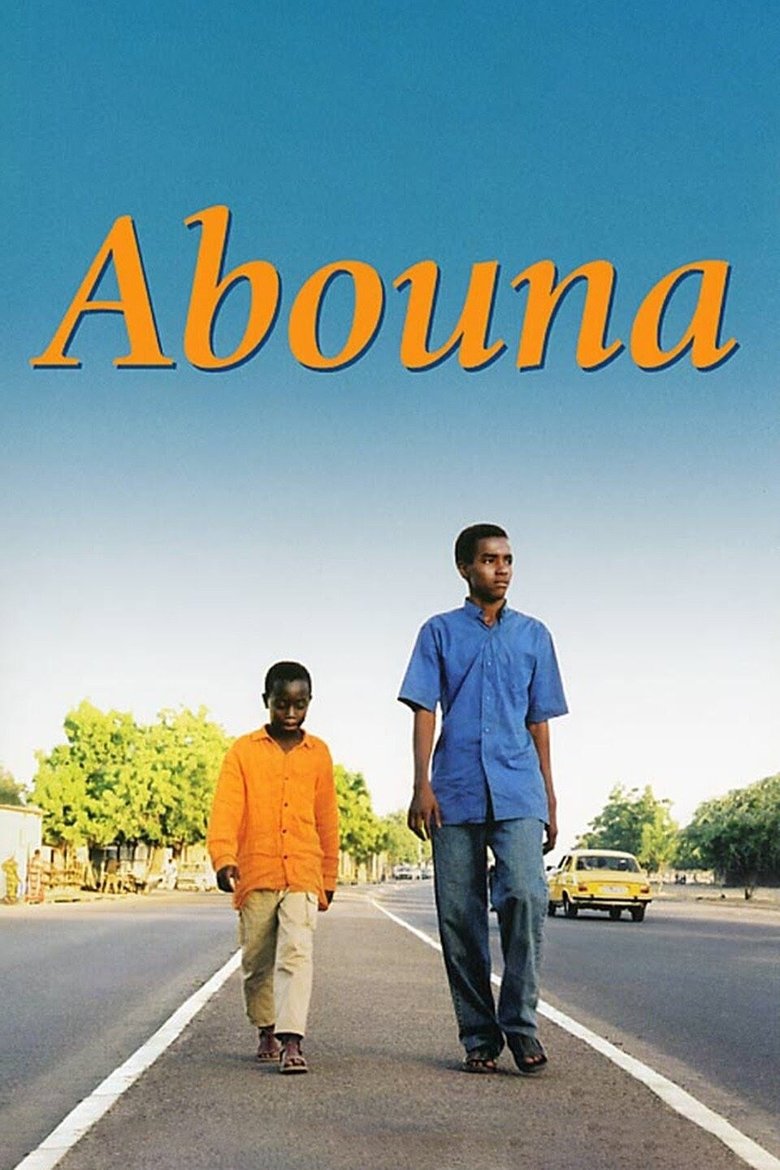
Two boys (Tamir & Amine) awake one morning to find that their father has abandoned their family. Shocked, they begin to misbehave. While surreptitiously watching a movie, they think they see their father speaking to them and steal the film to examine the frames. Their mother (Achta) eventually despairs and sends them to Koranic school. Unhappy, they plan their escape until the eldest boy falls in love with a deaf girl (Khalil).
Overall Score
Good
Category Breakdown
LGBTQ+ Representation
The film contains no LGBTQ+ characters or non-cisnormative identities. The central romantic arc follows a traditional connection between the eldest boy and a deaf girl.
Gender Representation
The story depicts a patriarchal hierarchy through the mother's struggle to maintain stability after the father's abandonment. While female characters lack systemic power, they possess emotional depth and agency.
Racial & Ethnic Diversity
The film excels by centering a Chadian cast and the setting of N'Djamena. It avoids exoticism, offering a nuanced, localized portrayal of African urban life and identity.
Religious & Cultural Diversity
Islamic practices and Koranic schooling are depicted through a lens of subjective morality. The narrative explores the tension between children's autonomy and the strictures of religious discipline.
Disability Representation
The character Khalil, a deaf girl, is integrated into the protagonist's emotional development. Her identity is treated with dignity, avoiding common tropes or mockery.
Strengths
Areas for Improvement
AI Analysis
Abouna is a significant work of intersectional cinema that challenges Western-centric narrative structures. By centering Chadian identity and local settings, it provides a deeply authentic and racially grounded experience. The film's strength lies in its refusal to cater to an exoticized gaze, instead focusing on the internal social dynamics of a specific community. It replaces universalized Hollywood tropes with a localized, nuanced perspective. However, the film operates within traditional heteronormative and patriarchal frameworks. While it critiques the instability of male leadership, it does not expand its scope to include diverse sexual identities or systemic female empowerment.
2018
2021
2013
2018

2020
2021
2001
1972

2013

2007

2017

2008
No reviews yet. Be the first to share your thoughts on this movie!
Use the rating form above to leave a star rating and optional review.