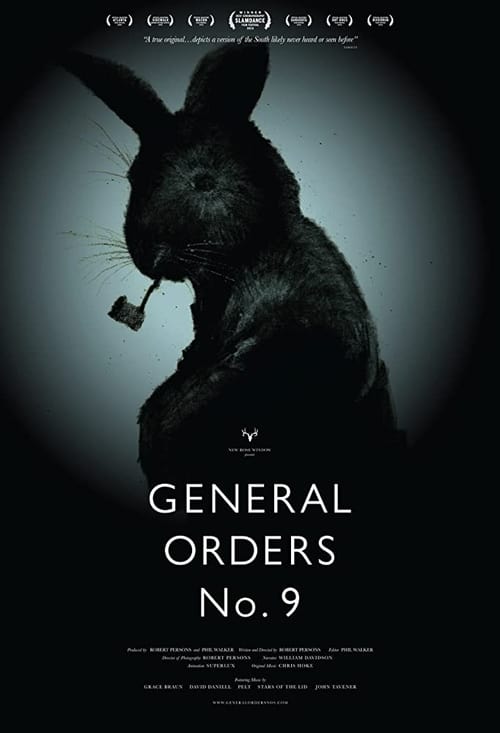
General Orders No. 9
2011
No user ratings available yet
Representation score: 1.5 out of 10
Representation Score
Good
2016
Director
Deborah Stratman
Runtime
60 minutes
Average Rating
No ratings yetNew Showbiz Analysis
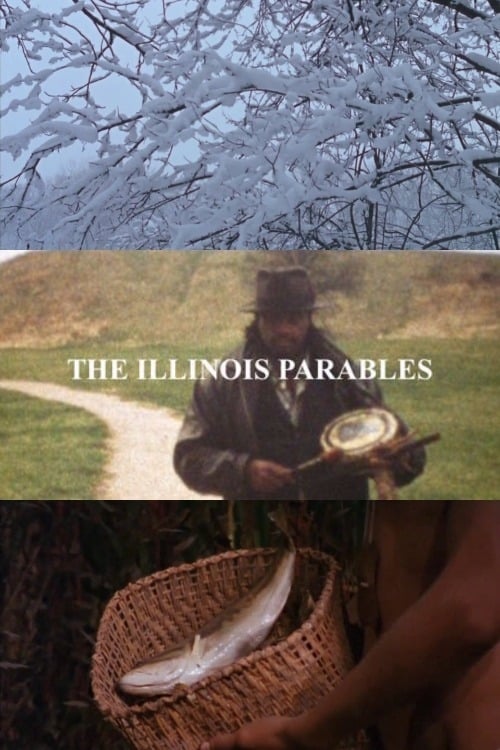
Deborah Stratman’s experimental documentary achieves intellectual diversity by dismantling the authority of traditional Western historical structures. It uses a collage of archival footage and landscape cinematography to interrogate how history is memorialized. While the film lacks overt character-based representation, it succeeds in framing the landscape as a site of systemic struggle. The work effectively highlights the tension between official state narratives and lived experience through postmodern montage. Ultimately, the film's strength lies in its methodological approach to history, prioritizing ecological and geological processes over conventional, character-driven storytelling.
Category Breakdown
The film does not provide explicit character arcs or romantic depictions of LGBTQ identity. However, its non-linear, fragmented structure offers a subtle departure from traditional storytelling focused on straight relationships.
Stratman avoids traditional gender hierarchies by focusing on geology and politics rather than character-driven drama. The film centers on these subjects instead of following a male-centric hero's journey.
The narrative engages with themes of settlement and removal to critique the erasure of underrepresented voices. Archival footage explores the complexities of racialized histories in the Midwest.
The film deconstructs the American mythos by framing the landscape as a site of contested myths. It prioritizes subjective memories over official, institutionalized accounts of history.
The film does not feature specific characters or narrative arcs centered on physical or neurodivergent disabilities.
Present on Screen
Limited or Absent
Official Synopsis
From dreamy aerial opening shots, we are sent on an expedition through the storied land of our fifth most populous state, Illinois, often called a miniature version of America. Deborah Stratman’s experimental documentary explores how physical landscapes and human politics can each re-interpret historical events. Eleven parables relay histories of settlement, removal, technological breakthrough, violence, messianism, and resistance. Who gets to write history—physical monuments, official news accounts, or personal spoken-word memories?
2011
2012
2008
2012

2018
2014
2022

2018
No reviews yet. Be the first to share your thoughts on this movie!
Use the rating form above to leave a star rating and optional review.