Battle of Little Bighorn
2020
No user ratings available yet
Representation score: 5.0 out of 10
Representation Score
Good
2022
PG-13Director
Laura Tomaselli, Jesse Short Bull
Runtime
120 minutes
Average Rating
No ratings yetNew Showbiz Analysis
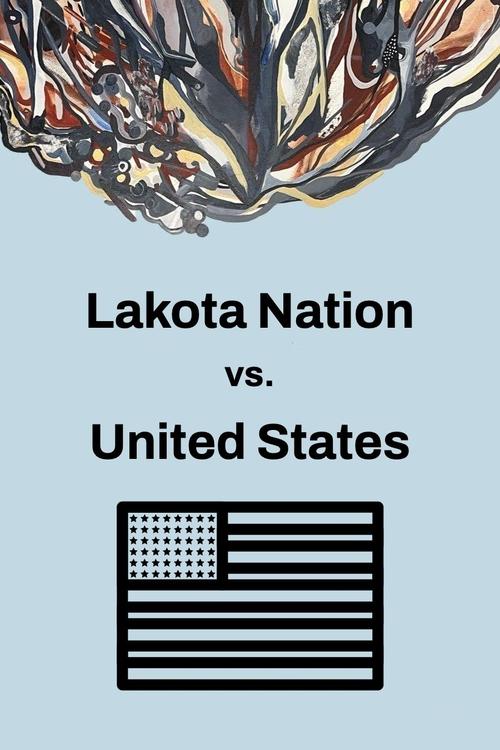
Lakota Nation vs. United States is a powerful exercise in reclaiming Indigenous narratives. By centering Indigenous voices, the filmmakers move beyond simple inclusion to establish a sovereign narrative structure. The film successfully disrupts Western historical dominance by reframing the American story through a decolonial lens. The documentary excels in racial and cultural representation, treating the Lakota experience as central history rather than a peripheral subplot. It effectively critiques systemic structures and treaty violations through a sophisticated post-colonial framework. While the film is a triumph of Indigenous ability to act, it remains focused on land rights and historical sovereignty. Consequently, it does not explicitly address LGBTQ+ identities or disability representation.
Category Breakdown
The film does not explore LGBTQ+ identities or same-sex relationships, focusing instead on historical sovereignty and land rights.
Women play crucial roles in leadership and storytelling, challenging Western patriarchal norms and highlighting their influence in preserving their communities.
The documentary centers Indigenous perspectives, reframing major historical events through the Lakota lens and emphasizing the ability to act of Indigenous peoples.
The film prioritizes Lakota spiritual connections to the land, offering a sophisticated critique of settler-colonialism and systemic oppression.
The film does not significantly address physical or neurodivergent disabilities in its thematic overview.
Present on Screen
Limited or Absent
Official Synopsis
Poet Layli Long Soldier crafts a searing portrait of her Oyate’s connection to the Black Hills, through first contact and broken treaties to the promise of the Land Back movement, in this lyrical testament to resilience of a nation.
2020
2012
2010

2007
1985

2011
2010
2014
No reviews yet. Be the first to share your thoughts on this movie!
Use the rating form above to leave a star rating and optional review.