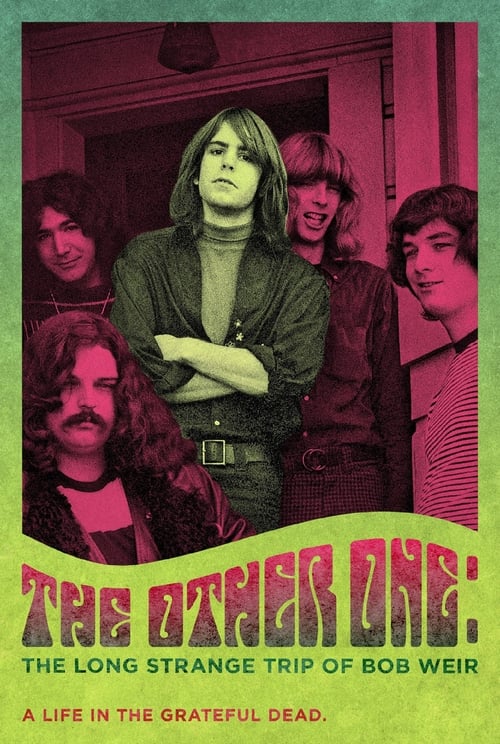
The Other One: The Long, Strange Trip of Bob Weir
2014
No user ratings available yet
Representation score: 6.3 out of 10

Representation Score
Excellent
2011
RDirector
Alison Ellwood, Alex Gibney
Runtime
107 minutes
Average Rating
No ratings yetNew Showbiz Analysis
Magic Trip: Ken Kesey's Search for a Kool Place offers a historical window into the 1960s counterculture. It successfully illustrates how the Merry Pranksters challenged mainstream social, religious, and gendered hierarchies through their communal, psychedelic lifestyle. While the film provides a rich look at cultural rebellion and the dismantling of institutional norms, it is limited by its focus on a predominantly white, bohemian subset of the era. This limits the racial diversity of the cast. Ultimately, the documentary is a study of systemic disruption. It captures the tension between individual identity and state-sanctioned morality, even if it lacks deep representation of physical disability or multi-ethnic perspectives.
Category Breakdown
The film captures the early sexual revolution by showing the rejection of traditional heterosexual norms and highlighting fluid interpersonal relationships among the Pranksters.
The documentary challenges traditional gender roles by depicting women in roles that go beyond the typical domestic roles of the time, emphasizing collective experience over patriarchal leadership.
The narrative focuses primarily on a relatively homogeneous group of white, bohemian youth. Despite the era's significant social changes, the film does not prominently feature a multi-ethnic cast.
The film excels at documenting the critique of Western institutions such as capitalism, organized religion, and the nuclear family. These critiques are central to the Pranksters' lifestyle.
The film explores altered states of consciousness through psychedelic use but lacks specific, ability to act-driven portrayals of physical or neurodivergent disabilities within the movement.
Present on Screen
Limited or Absent
Official Synopsis
A freewheeling portrait of Ken Kesey and the Merry Prankster’s fabled road trip across America in the legendary Magic Bus. In 1964, Ken Kesey, the famed author of “One Flew Over the Cuckoo’s Nest,” set off on a legendary, LSD-fuelled cross-country road trip to the New York World’s Fair. He was joined by “The Merry Band of Pranksters,” a renegade group of counterculture truth-seekers, including Neal Cassady, the American icon immortalized in Kerouac’s “On the Road,” and the driver and painter of the psychedelic Magic Bus.
2014
2021
2019
2010
2019

2008
1969
2020
No reviews yet. Be the first to share your thoughts on this movie!
Use the rating form above to leave a star rating and optional review.