Echte Wiener 2 - Die Deppat'n und die Gspritzt'n
2010
No user ratings available yet
Representation score: 2.9 out of 10
Representation Score
Minimal
2015
Director
Ulrike Grote
Runtime
0 minutes
Average Rating
No ratings yetNew Showbiz Analysis
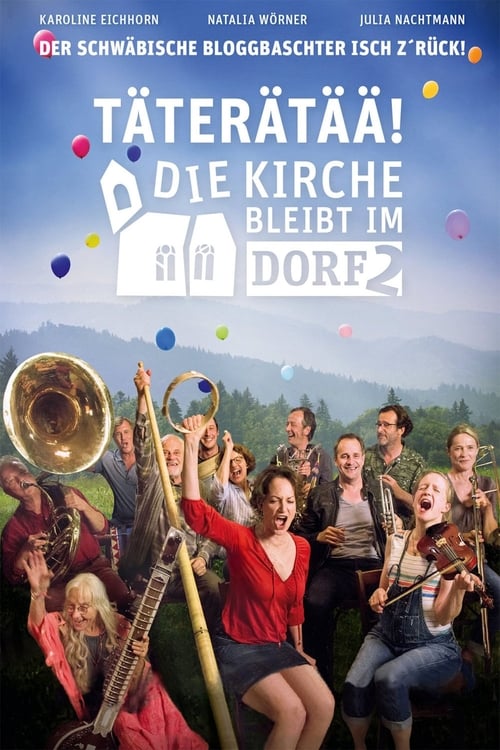
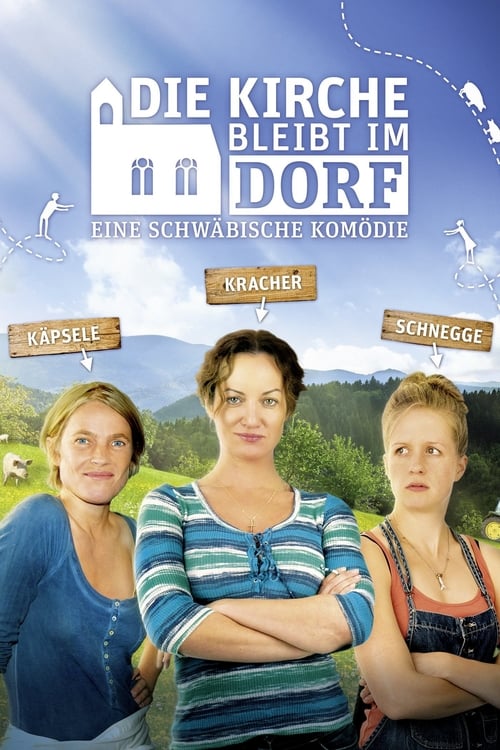
Täterätää - Die Kirche bleibt im Dorf 2 is a regional comedy that emphasizes local identity and established social hierarchies. The plot centers on a communal goal of church renovation, reinforcing traditional village and religious dynamics without challenging them. The film relies on the 'clash of cultures' cliché, contrasting Swabian traditions with urban Hamburg attitudes. This focus on regional friction keeps the narrative culturally homogeneous. Overall, the film operates as a conservative comedy. It does not engage with multi-layered themes and does not aim to disrupt conventional social expectations or represent diverse identities.
Category Breakdown
The film does not include any LGBTQ+ characters or stories about non-traditional gender identities. The narrative revolves around traditional village hierarchies and religious structures.
Leadership roles are held by traditional family units such as the Häberles and Rossbauers. The main conflict arises from regional identity issues rather than challenging gender hierarchies.
The setting showcases a uniform social structure centered on Swabian identity. There is no indication of diverse ethnic perspectives or non-white majority casting.
The story explores regional differences through the clash between Swabian and Hamburg mindsets. While it criticizes a specific pastor's corruption, it upholds traditional Western institutions.
There are no details about characters with visible or invisible disabilities in the film's documentation.
Present on Screen
Limited or Absent
Official Synopsis
In order to renovate the damaged church on the border between the hostile villages of Oberriesling and Unterriesling, the residents set off together in a coach to faraway Hamburg under the leadership of the Häberles and Rossbauers. There, they want to win a brass band competition with a highly lucrative prize. Unfortunately, Pastor Schäuble has drunk away all the donations. There are already plenty of arguments on the way north and the Hamburg mentality is not compatible with the Swabian one.
2010

2006
2015
2005
2012
2021
2019

2018
No reviews yet. Be the first to share your thoughts on this movie!
Use the rating form above to leave a star rating and optional review.