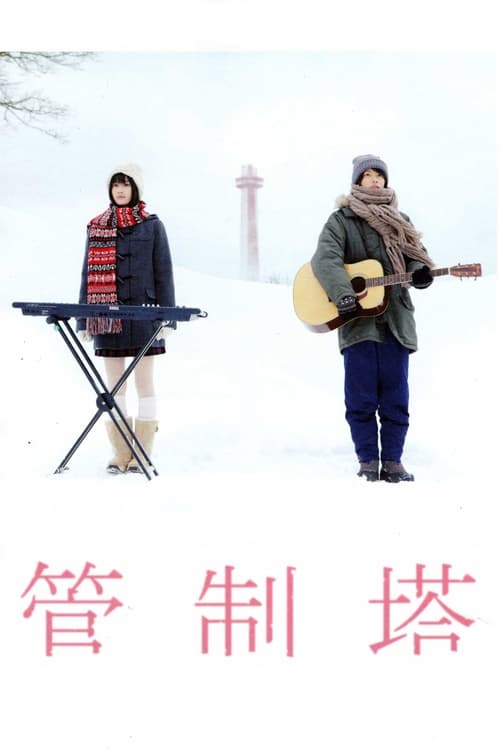
Control Tower
2011
No user ratings available yet
Representation score: 4.3 out of 10

Representation Score
Limited
2026
Director
Takahiro Miki
Runtime
117 minutes
Average Rating
No ratings yetNew Showbiz Analysis
The film opens with Haruto’s hidden poetry, a quiet act of self-expression that Ayane discovers, immediately establishing a dynamic where their respective talents—his words, her music—become the bridge between them. This is a 2026 Japanese romantic drama that sells the power of artistic collaboration as the foundation of love, yet it ultimately settles into a deeply traditional framework. The sold meaning is clear: individual quirks, like Ayane’s dyslexia, are best channeled into a shared, domestic future. The camera loves the partnership, but the moral verdict is delivered through lineage, not just art. The film’s argument is that creativity flourishes in isolation but finds its truest voice in connection. However, this progressive framing pulls apart from its internal logic when the narrative resolves. The "clash" of their talents is not a permanent state of creative tension but a prelude to conformity. Ayane’s move to Tokyo and subsequent career success are temporary; the story’s true weight is on the marriage and the birth of their daughter. The disability is handled with genuine care, avoiding pity, but it serves to make Ayane more sympathetic rather than challenging the status quo. The traditional hierarchy of family over individual artistic legacy is treated as good, not questioned. The ending is the final verdict: Ayane dies, leaving behind a song that lives on through her child. This is not a rejection of tradition but an affirmation of it. The camera does not linger on Haruto’s solitary grief or the unfinished nature of their art; it focuses on the daughter, the vessel for the "hope" of the song. The film is a tear-jerker in the best sense of the genre, but it is a conservative one. It rewards the viewer with the comfort of a completed family unit, even in death. The last image is not of a rebellious artist, but of a mother’s legacy passed to her heir. It is a story about love that ultimately says the highest form of love is the one that continues in the next generation.
Category Breakdown
The narrative centers exclusively on a heterosexual romance between Haruto and Ayane. No same-sex intimacy, queer characters, or non-binary identities appear on screen or in the plot summary.
Ayane serves as the creative catalyst, with Haruto writing lyrics for her compositions, yet the arc follows a conventional trajectory. They marry, have a daughter, and she dies, leaving him to grieve within a traditional family structure.
The cast is entirely Japanese, reflecting the film’s specific cultural setting. No non-white characters, interracial dynamics, or ethnic diversity are depicted or discussed within the narrative.
The film treats family bonds, marriage, and parental legacy as the ultimate source of meaning. Ayane’s final song is preserved through her daughter, affirming traditional lineage and domestic continuity as the highest form of fulfillment.
Ayane’s developmental dyslexia is central to her character, portrayed as a specific challenge she overcomes through musical talent. The condition is not mocked or used as a plot device for pity, but as a facet of her identity.
Present on Screen
Limited or Absent
Official Synopsis
Haruto Mizushima secretly loves writing poetry. One day, his classmate Ayane Toosaka discovers his hidden hobby. Ayane has developmental dyslexia, which makes reading and writing extremely difficult for her, yet she possesses remarkable talent in singing and composing music. At Ayane's request, Haruto begins writing lyrics for her music. As they spend time creating songs together, they gradually develop feelings for each other. Their talents both clash and draw them closer, making them cherish one another even more—this is a love story spanning ten years that will move you to tears.
2011
2016

2021
2010

2024
2012
2018
2026
No reviews yet. Be the first to share your thoughts on this movie!
Use the rating form above to leave a star rating and optional review.