
Kase-san and Morning Glories
2018
No user ratings available yet
Representation score: 5.4 out of 10
Representation Score
Fair
2016
PG-13Director
Shoko Nakamura
Runtime
61 minutes
Average Rating
No ratings yetNew Showbiz Analysis
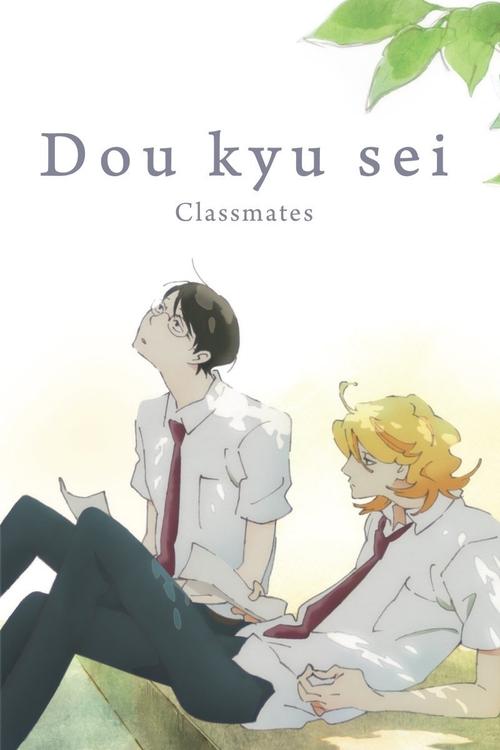
Dou kyu sei – Classmates is a character-driven animation that uses choral music as a metaphor for connection. It succeeds by centering a same-sex relationship within a typical high school setting, offering a nuanced look at how individuals navigate social hierarchies through personal intimacy. While the film offers a progressive perspective through its central romantic storyline, it remains demographically narrow. The setting is culturally specific and homogeneous, limiting its racial and ethnic diversity. Ultimately, the film's strength lies in its exploration of social structures. It moves beyond genre clichés to highlight the emotional complexity and active roles of its two main characters.
Category Breakdown
The film focuses on the growing closeness between two male characters. It challenges traditional expectations by highlighting their shared vulnerability and emotional depth.
The story examines male-dominated social dynamics but avoids rigid masculine stereotypes. Characters are defined by emotional intelligence and artistic expression rather than physical strength.
The cast is predominantly Japanese, reflecting a local high school setting. The narrative lacks the broad range of diversity found in more globally inclusive stories.
Set within a secular, modern educational environment, the film explores how classroom dynamics and peer hierarchies influence students. It subtly looks at how social pressures shape behavior.
There is no significant depiction of physical or neurodivergent disabilities. The narrative focuses on the romantic development of the main characters.
Present on Screen
Limited or Absent
Official Synopsis
Rihito Sajo, an honor student with a perfect score on the entrance exam and Hikaru Kusakabe, in a band and popular among girls, would have never crossed paths. Until one day they started talking at the practice for their school’s upcoming chorus festival. After school, the two meet regularly, as Hikaru helps Rihito to improve his singing skills. While they listen to each other’s voice and harmonize, their hearts start to beat together.
2018
2014

2020
2010

2010

2017

1988

2025
No reviews yet. Be the first to share your thoughts on this movie!
Use the rating form above to leave a star rating and optional review.