
Control Tower
2011
No user ratings available yet
Representation score: 4.3 out of 10
Representation Score
Limited
2012
Not RatedDirector
Satoshi Kaneda
Runtime
87 minutes
Average Rating
No ratings yetNew Showbiz Analysis
The film stands out by focusing on the emotional complexity of queer relationships. By centering the story on the unexpressed feelings between two male characters, it moves beyond typical musical drama to explore private longing and professional hierarchy. However, the film's diversity is limited by its narrow focus on a male-dominated musical institution. This leaves questions about gender balance and broader representation unanswered. Ultimately, the work successfully challenges monolithic institutional authority. However, it lacks evidence of racial or disability representation.
Category Breakdown
The story focuses on Tonoin Kei's unexpressed feelings for the group leader, Morimura Yuuki. This emphasis on queer emotions challenges typical romantic structures.
The story revolves around a male-dominated power struggle within a musical group. While it explores meritocracy, there is little information about female character roles.
The film seems to focus on a culturally specific Japanese ensemble. There is no indication of racial diversity or non-majority casting.
The narrative critiques institutional norms by highlighting the tension between individual talent and collective leadership. It emphasizes personal emotional truth over strict organizational rules.
There is no mention of characters with visible or invisible disabilities in the synopsis.
Present on Screen
Limited or Absent
Official Synopsis
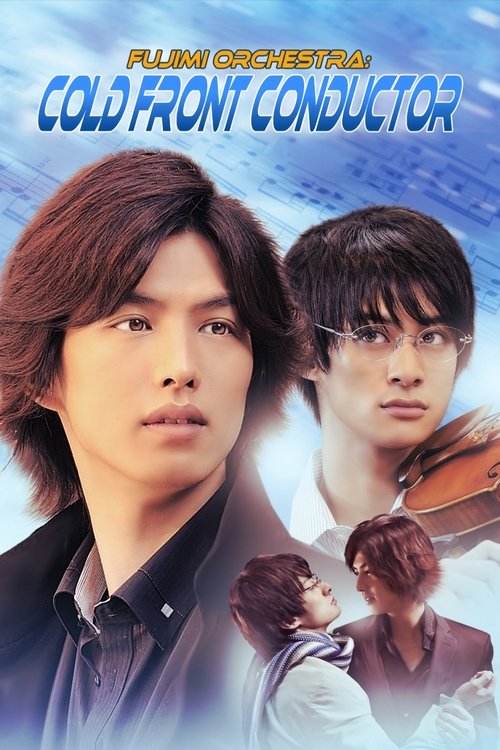
Tonoin Kei, a musical genius, becomes the new conductor of Fujimi, clashing with the group's leader, Morimura Yuuki, who is unaware of Kei's feelings for him.
2011

2020

2008

2016

2009

2024

2007
2012
No reviews yet. Be the first to share your thoughts on this movie!
Use the rating form above to leave a star rating and optional review.