Der Ochsenkrieg
1920
No user ratings available yet
Representation score: 1.1 out of 10
Representation Score
Limited
2012
Director
Wang Quan'an
Runtime
188 minutes
Average Rating
No ratings yetNew Showbiz Analysis
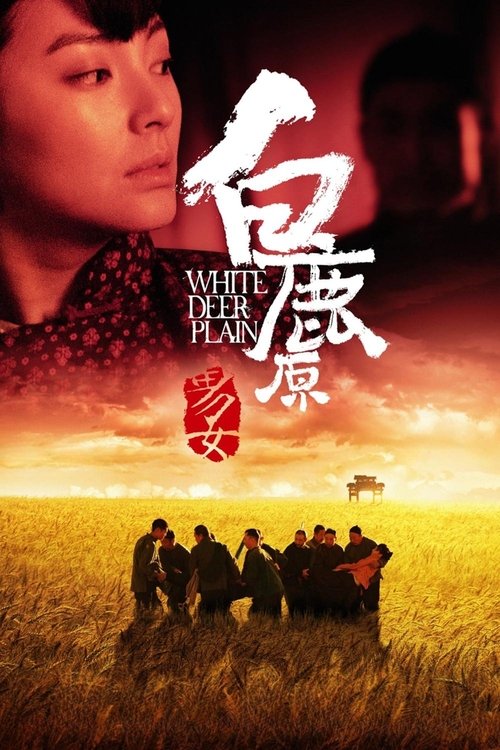
White Deer Plain focuses on the tension between tradition and modernity, emphasizing historical accuracy and the erosion of established social hierarchies. The film offers a nuanced critique of traditional institutions and the human impact of societal changes. However, it falls short in representing diverse gender and LGBTQ+ identities, reinforcing the era’s strict gender roles.
Category Breakdown
The film strictly follows the social norms of early 20th-century Shaanxi, showing no evidence of diverse sexual orientations or gender identities.
The narrative centers around a strict patriarchal structure where men hold power and women are confined to domestic duties, reflecting the historical constraints of the time.
The casting closely mirrors the Han Chinese population of Shaanxi, providing a culturally authentic representation of the region.
The story examines the decline of traditional clan systems and the shift from ancestral worship to new political ideas, challenging simple hero narratives.
No main characters have arcs centered around visible or invisible disabilities, and disability is not used as a narrative device.
Present on Screen
Limited or Absent
Official Synopsis
In the White Deer Village in Shaanxi Province the two most important families - Bai and Lu - and their sons have always lived together in peace. But the turmoil leads to a fierce struggle for land ownership.
1920
2015
1968
1989
1937

1967
2019
1990
No reviews yet. Be the first to share your thoughts on this movie!
Use the rating form above to leave a star rating and optional review.