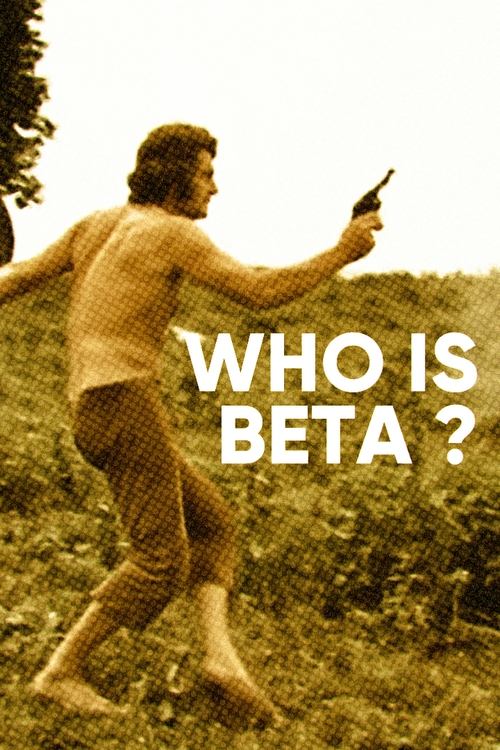
Who Is Beta?
1972
No user ratings available yet
Representation score: 6.8 out of 10
Representation Score
Minimal
1971
Director
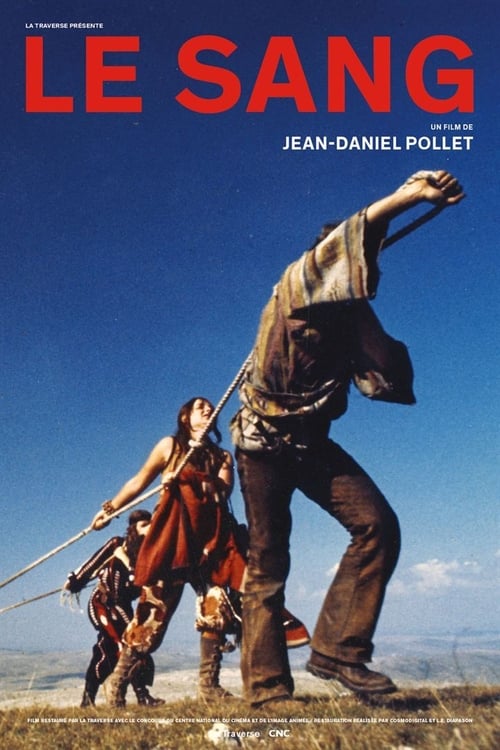
Jean-Daniel Pollet
Runtime
85 minutes
Average Rating
No ratings yetNew Showbiz Analysis
Jean-Daniel Pollet’s work is a landmark of slow cinema that prioritizes poetic abstraction over traditional character-driven drama. Its unique structure and German Expressionist aesthetics challenge how stories are typically told. Because the film functions as a lyrical meditation on memory and time, it lacks the conventional framework required to measure standard demographic representation. It operates in a vacuum of social roles, focusing instead on a generalized human condition. Ultimately, the film remains neutral regarding the way different parts of someone's identity overlap. While intellectually subversive in its cinematic form, it does not explicitly engage with identity politics or contemporary social hierarchies.
Category Breakdown
The film's dreamlike, non-linear structure prioritizes atmospheric and existential themes. There are no LGBTQ+ characters or narratives addressing non-cisgender identities present.
The narrative lacks sufficient character development to evaluate gender hierarchies. It avoids traditional domestic clichés but fails to provide roles where characters take control.
Set in a rural, dreamlike landscape, the film emphasizes visual texture over character-driven interaction. There is no evidence of a diverse cast or intentional racial dynamics.
The film challenges Western expectations of linear storytelling through its postmodernist approach. It focuses on subjective memory and the fragmentation of truth rather than specific institutions.
There is no evidence of characters with visible or invisible disabilities being portrayed with real power or integrated into the narrative fabric.
Present on Screen
Limited or Absent
Official Synopsis
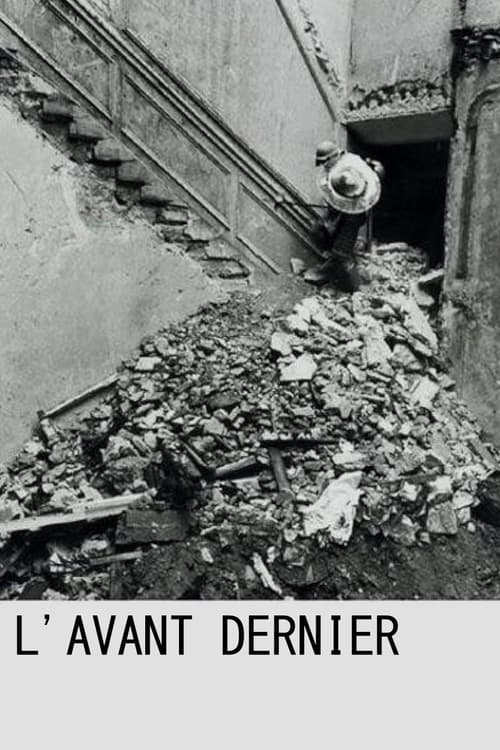
An apocalyptic vision of man after a cosmic catastrophe, this film is a terrifying metaphor of a dehumanized future. The Brazilian Cinema Novo, German expressionism of the twenties, and the ideologically motivated ‘cruelty’ of a Buñuel come together in this ferocious work of a French theatre collective – an ambitious, almost completely successful example of visual cinema at its best.
1972
1980
1968
1967
1969
1978
1986
1981
No reviews yet. Be the first to share your thoughts on this movie!
Use the rating form above to leave a star rating and optional review.