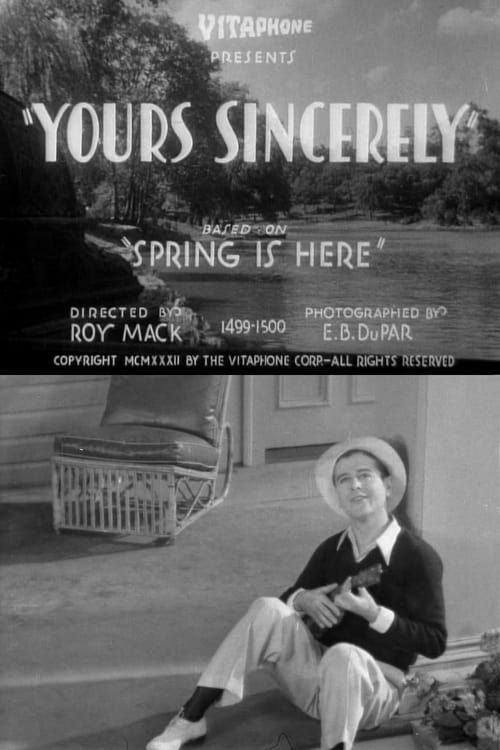
Yours Sincerely
1933
No user ratings available yet
Representation score: 1.3 out of 10
No Poster Available
Representation Score
Minimal
1934
APPROVEDDirector
William Watson
Runtime
21 minutes
Average Rating
No ratings yetNew Showbiz Analysis
Good Luck – Best Wishes is a period-typical musical comedy that reinforces established social and familial hierarchies. The narrative prioritizes traditional romantic resolutions and economic stability through standard early 20th-century clichés. The film lacks diverse character development or any subversion of systemic power dynamics. Instead, it relies on a conventional structure where patriarchal figures drive the plot forward. Ultimately, the work functions as a standard studio-era production, adhering to the social norms and homogeneous casting expectations of its time.
Category Breakdown
The film follows a traditional heterosexual romantic structure between Solly and Jane. There are no visible LGBTQ+ identities or narratives present.
Jane serves as a central figure, yet her role is limited by the decisions of the men in her life. The plot is driven by patriarchal figures scheming for the protagonists.
The production reflects the homogeneous casting standards typical of 1930s musical comedies. There is no indication of racial blending or non-Anglo-Saxon majority casting.
The story emphasizes traditional social structures like marriage and familial approval. It operates within a conventional framework rather than critiquing Western institutions.
There is no evidence of characters with visible or invisible disabilities being integrated into the narrative.
Present on Screen
Limited or Absent
Official Synopsis
Solly is in love with Jane but Jane's father can't afford a big wedding. So he schemes with Solly's father, his business partner, to stage a big quarrel that will prompt Jane and Solly to elope. Complications arise.
1933

1933

1935

1936
1936
1934
1933
1937
No reviews yet. Be the first to share your thoughts on this movie!
Use the rating form above to leave a star rating and optional review.