Circle of Love
1964
No user ratings available yet
Diversity score: 5.0 out of 10

1995
Director
Agnès Varda
Runtime
105 minutes
Average Rating
No ratings yetSynopsis
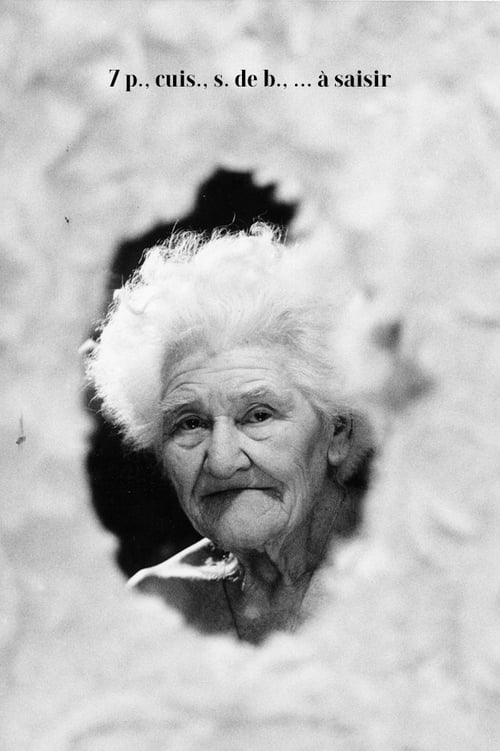
Monsieur Cinema, a hundred years old, lives alone in a large villa. His memories fade away, so he engages a young woman to tell him stories about all the movies ever made.
Overall Score
Good
Category Breakdown
LGBTQ+ Representation
The film explores memory and cinema through a meditative lens. While specific non-cisnormative identities are not explicitly detailed, the work suggests a potential for fluid character dynamics.
Gender Representation
A young woman serves as the narrative's primary catalyst. Her intellectual agency drives the plot, positioning female storytelling as the essential force sustaining the male protagonist's reality.
Racial & Ethnic Diversity
The setting focuses on an aging man and a young woman in a villa. There is no evidence of a diverse or non-Anglo-Saxon majority cast.
Religious & Cultural Diversity
The film deconstructs linear history by treating stories as cinematic fragments. This approach prioritizes subjective experience over traditional, authoritative Western pedagogical structures.
Disability Representation
The protagonist's fading memory is integrated into the film's experimental structure. This depiction treats cognitive decline as a central existence rather than a tragedy to be cured.
Strengths
Areas for Improvement
AI Analysis
Agnès Varda’s work challenges traditional cinematic hierarchies by centering subjective experience. The film disrupts conventional authority by positioning a female character as the keeper of knowledge and utilizing a protagonist with shifting cognitive faculties. The narrative favors epistemological relativism over institutional truth. By framing history through fading memories and cinematic fragments, the film avoids rigid, traditional storytelling structures. While the film excels in gender agency and cognitive representation, it lacks visible evidence of racial or ethnic diversity within the described villa setting.
No reviews yet. Be the first to share your thoughts on this movie!
Use the rating form above to leave a star rating and optional review.