
The Pearl
1947
No user ratings available yet
Representation score: 5.1 out of 10
Representation Score
Fair
1993
Director
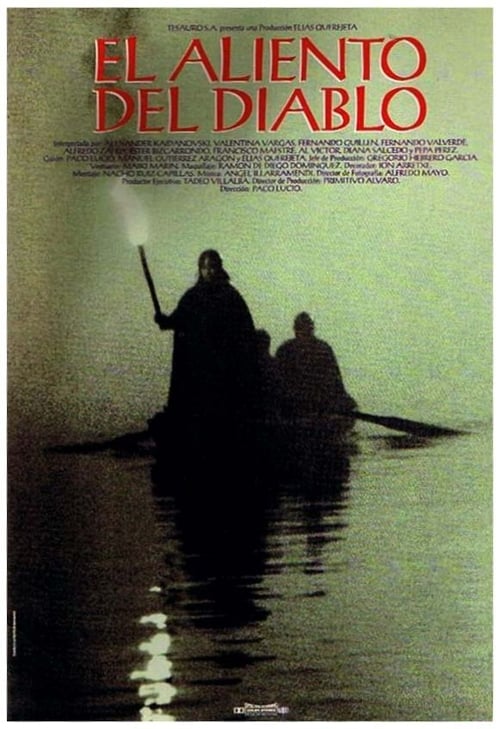
Paco Lucio
Runtime
90 minutes
Average Rating
No ratings yetNew Showbiz Analysis
The film focuses on a non-verbal family unit navigating a conflict with a traditional feudal power structure. It effectively uses disability as a fundamental character trait rather than a mere plot device. By positioning the protagonists as travelers claiming space against a landed elite, the narrative explores themes of displacement and systemic oppression. The strength of the work lies in its subversion of the 'helpless' disabled cliché. While the film lacks visible LGBTQ+ or specific ethnic markers, its structural critique of feudal hierarchies provides a meaningful exploration of autonomy and power dynamics.
Category Breakdown
The film does not include any queer narratives or characters with non-straight identities. The interpersonal conflicts center around a traditional family dynamic.
Female characters Priscila and Agueda play key roles in driving the central conflict as targets of Don Rodrigo's predatory attention. This portrayal critiques patriarchal dominance and male entitlement.
The film does not specify ethnic markers, but the feudal setting implies a non-Western or agrarian society defined by class-based tensions.
The story challenges rigid social structures by presenting the feudal lord as an antagonist. It highlights nomadic resilience against established, oppressive institutions.
Damian and Pablo are shown as mute, integrating disability into their core identities. Damian’s role as a skilled hunter gives these characters a significant role in driving the story.
Present on Screen
Limited or Absent
Official Synopsis
A small family of travelers arrives after a long journey at a village hut, which they claim as home. The family consists of Damian, a mute but skilled hunter, his wife Priscila, and their two children, a mute son named Pablo and a beautiful daughter named Agueda. Before long, Don Rodrigo, the feudal lord of the village, sets his sights on both Priscila and Agueda.
1947

1964

2001
1984
1979

1931
1981

1993
No reviews yet. Be the first to share your thoughts on this movie!
Use the rating form above to leave a star rating and optional review.