Find another title
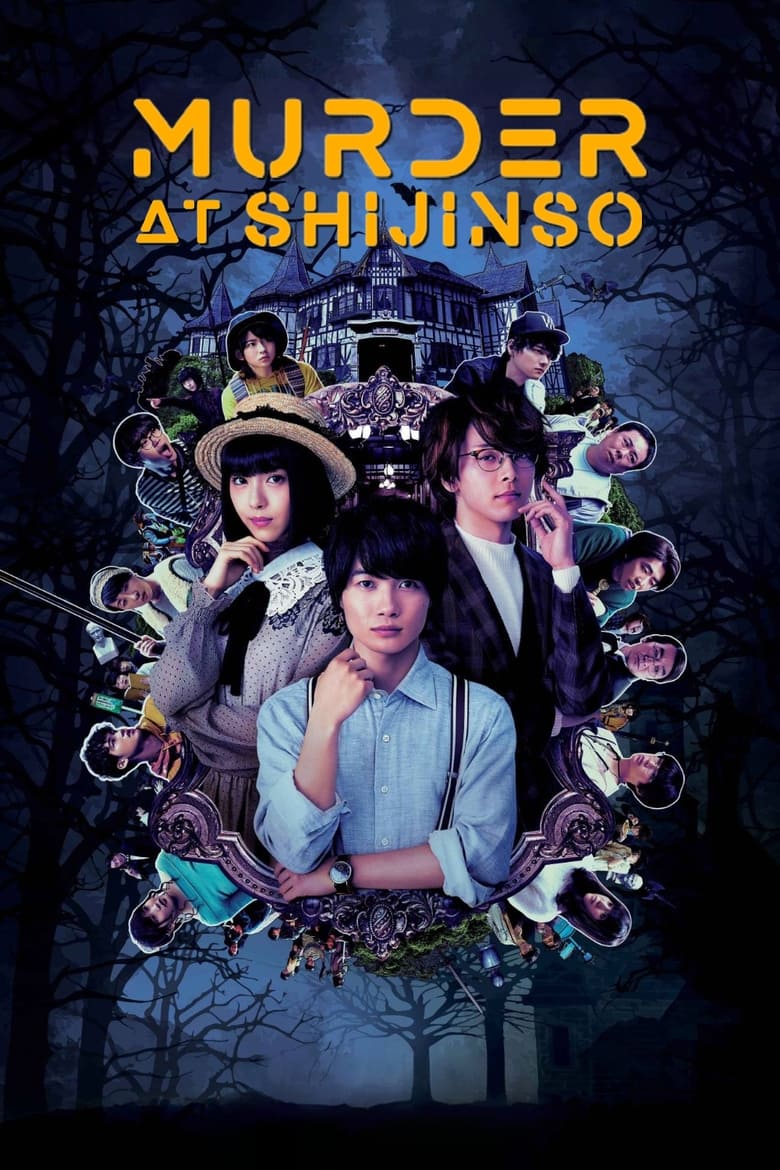
Murders at the House of Death
2019
Director
Hisashi Kimura
Runtime
119 minutes
Average Rating
No ratings yetSynopsis
Yuzuru Hamura is a university student and a fan of mystery novels. Against his will, he was forced to join the school's mystery club. The club is led by Kyosuke Akechi. Meanwhile, Hiruko Kenzaki appears in front of them. She attends the same university and she is also a private detective. These 3 people attend a summer camp and stay at Shijinso pension in the mountains. On their first day there, they must barricade themselves in the pension. The next morning, they discover a murder has taken place in the pension.
Where to Watch
Diversity & Representation
Overall Score
Fair
Category Breakdown
LGBTQ+ Representation
The film lacks explicit LGBTQ+ characters or narratives that critique heteronormativity. Character dynamics center on a traditional mystery ensemble structure without non-cisnormative identities.
Gender Representation
Hiruko Kenzaki provides female agency as a private detective in a male-dominated genre. However, roles follow conventional professional archetypes without subverting gender hierarchies.
Racial & Ethnic Diversity
As a Japanese production, the film reflects a culturally homogeneous environment. It functions as a culturally specific piece rather than a multi-ethnic intersectional study.
Religious & Cultural Diversity
The narrative follows established genre conventions within a mountain pension setting. It lacks significant critique of systemic institutions or traditional social structures.
Disability Representation
There is no mention of characters possessing visible or invisible disabilities. No assessment of agency or trope avoidance can be made.
Strengths
- Provides female agency through the character of Hiruko Kenzaki, a professional private detective.
- Maintains a culturally specific Japanese setting and production context.
Areas for Improvement
- Lacks intentionality in disrupting conventional social hierarchies or identity politics.
- Does not feature diverse racial, ethnic, or LGBTQ+ representation within the ensemble.
- Fails to engage with disability representation or the subversion of gendered archetypes.
AI Analysis
Murders at the House of Death operates as a traditional closed-circle mystery. It prioritizes genre mechanics and deductive reasoning over identity-driven social commentary or the subversion of systemic hierarchies. While the film offers professional agency to a female lead, it remains within the bounds of established tropes. The setting and cast reflect a culturally specific, homogeneous environment rather than an intersectional or multi-ethnic one. Ultimately, the work adheres to conventional narrative architecture. It provides standard genre roles but lacks the intentionality required to challenge or redefine cultural norms.
Rate this Movie
Reviews
No reviews yet. Be the first to share your thoughts on this movie!
Use the rating form above to leave a star rating and optional review.