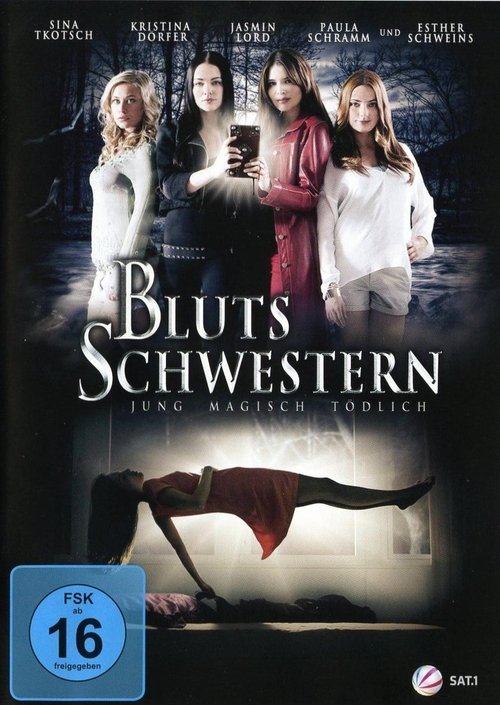
Blutsschwestern - Jung, magisch, tödlich
2013
No user ratings available yet
Representation score: 3.8 out of 10
Representation Score
Good
2022
Director
Hajime Hashimoto
Runtime
84 minutes
Average Rating
No ratings yetNew Showbiz Analysis
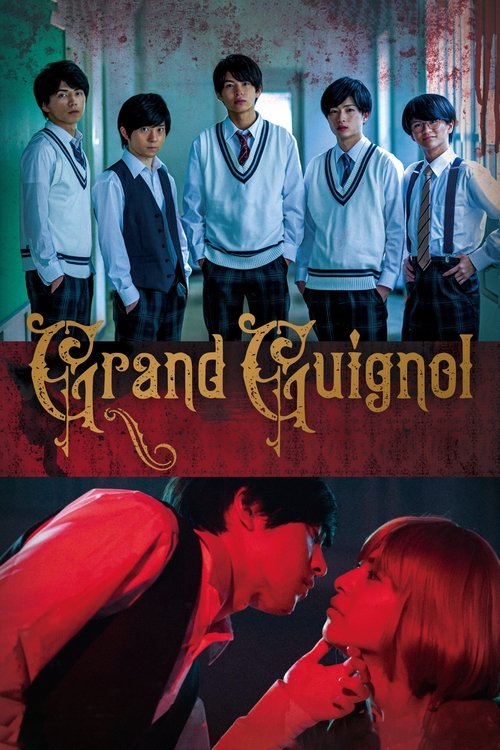
Grand Guignol uses a theater-within-a-theater structure to explore the tension between performance and reality. By placing the plot in an isolated reform school, the film examines identity and rebellion against systemic authority. The narrative's strength lies in its potential to deconstruct social facades and explore subjective morality. It uses theatricality to blur the lines between art and crime, offering a sophisticated look at character's ability to drive the story. However, the film lacks multi-ethnic diversity and explicit representation of disabilities. The focus remains on internal psychological states and domestic social structures rather than broader multi-layered themes.
Category Breakdown
The film's romance genre offers potential for exploring non-traditional relationships and fluid identities. The drama group setting allows for nuanced exploration of romantic inclinations.
Itsuki navigates a strict social hierarchy in a theatrical environment. The setting provides opportunities to perform or challenge traditional gender roles through dramatic expression.
The predominantly Japanese cast suggests a lack of ethnic diversity. The narrative focuses on internal social hierarchies rather than exploring multi-ethnic the way different parts of someone's identity overlap.
Set in a reform school, the film critiques oppressive institutional authority. The blending of art and crime challenges absolute moral frameworks and traditional social structures.
The film does not explicitly address neurodivergence or physical disabilities. While the psychological horror genre can explore mental health, it risks relying on familiar clichés.
Present on Screen
Limited or Absent
Official Synopsis
At an isolated reform school, transfer student Itsuki joins a drama group—but when real murders mimic their dark plays, fear, love, and secrets spiral out of control.
2013
2018
2004

2005
2012
2000
2015
2016
No reviews yet. Be the first to share your thoughts on this movie!
Use the rating form above to leave a star rating and optional review.