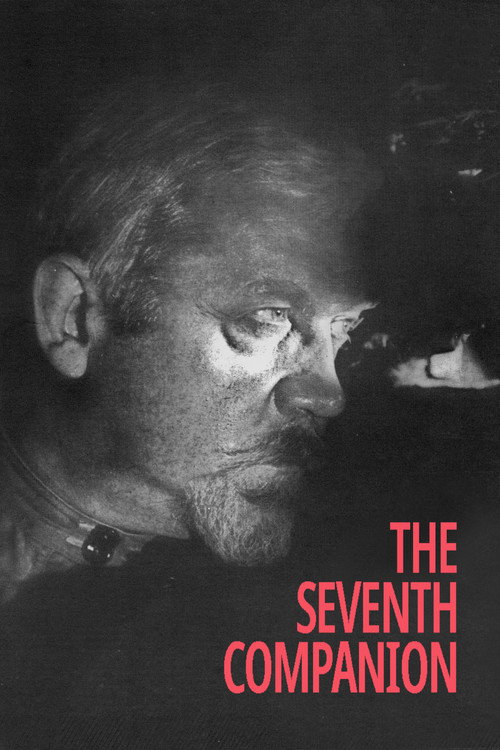
The Seventh Companion
1967
No user ratings available yet
Representation score: 4.3 out of 10
Representation Score
Good
1967
Director
Larisa Shepitko, Andrey Smirnov
Runtime
73 minutes
Average Rating
No ratings yetNew Showbiz Analysis
Beginning of an Unknown Era is a sophisticated work of lyrical realism that challenges monolithic Soviet narratives. It succeeds by subverting state-sanctioned history through the lens of psychological tension and individual struggle. While the film lacks modern benchmarks for identity-specific representation, such as LGBTQ+ or disability-centric empowerment, it excels in cultural critique. By adapting banned literature, the directors highlight the loss of innocence and the brutality of the era. Ultimately, the film's strength lies in its intellectual deconstruction of institutional authority rather than its adherence to contemporary diversity metrics.
Category Breakdown
The film focuses on internal psychological development and romantic relationships without depicting non-cisgender identities or same-sex intimacy.
The film portrays women navigating a rapidly changing society. It moves beyond static stereotypes to explore evolving roles and women's empowerment during the Soviet transition.
Casting reflects the ethnic makeup of the early USSR with a predominantly Soviet/Russian cast. It avoids Western-centric homogeneity by grounding characters in specific socio-political contexts.
The film deconstructs official historical narratives by showing the era's brutality and the struggle for identity. It prioritizes personal experiences over state-imposed morality.
There is no significant depiction of characters with disabilities driving the narrative. The focus remains on the emotional development of the intelligentsia and working class.
Present on Screen
Limited or Absent
Official Synopsis
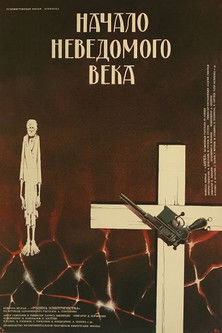
Two young directors adapted the short stories of two Russian authors whose works had been banned for decades, and so their film ended up in the censor’s vault as well – for twenty years. Both tales look back to the post-revolutionary era: 'Angel' (Olesha) speaks tragically of the brutality and destruction of the time, and 'The Homeland of Electricity' (Platonov) captures its haunting grotesquery.
1967

1964

1987

1994

1970
1964

1957
1992
No reviews yet. Be the first to share your thoughts on this movie!
Use the rating form above to leave a star rating and optional review.