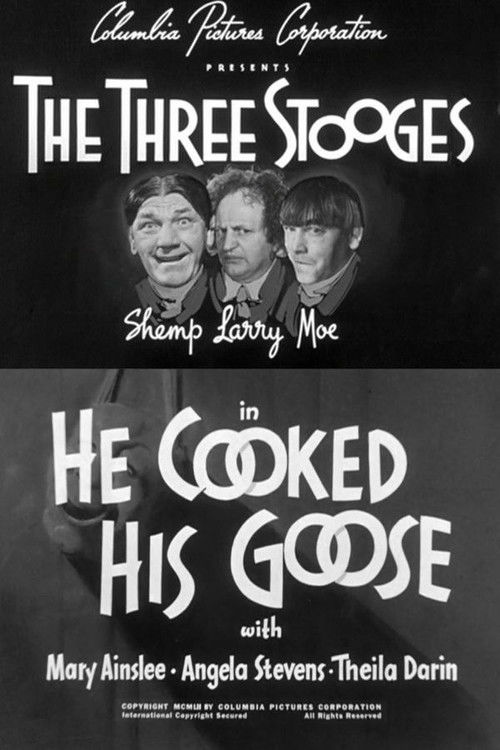
He Cooked His Goose
1952
No user ratings available yet
Representation score: 1.4 out of 10
Representation Score
Minimal
1959
NRDirector
Jules White
Runtime
16 minutes
Average Rating
No ratings yetNew Showbiz Analysis
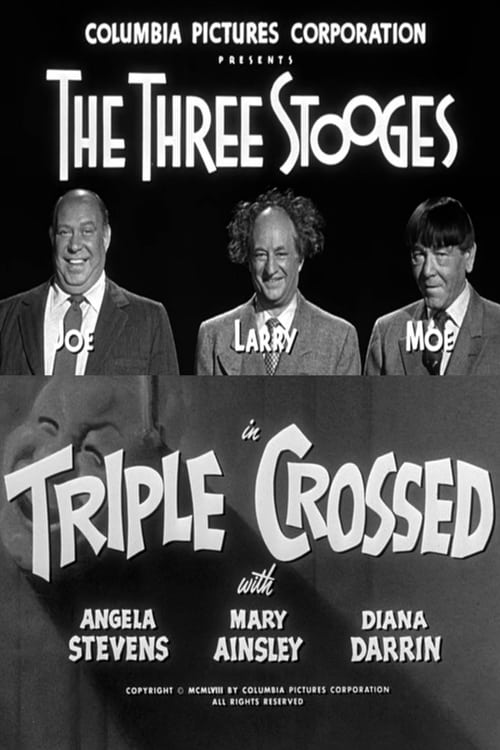
Triple Crossed is a period-typical comedy that relies on established social hierarchies and traditional relationship dynamics. The story prioritizes slapstick conflict and situational misunderstandings over exploring diverse identities or critiquing social norms. The narrative structure follows a standard comedic format of deception and domestic conflict, focusing on interpersonal betrayal rather than subverting social hierarchies. Ultimately, the film adheres to the conventional expectations of its era, lacking an intentional effort to disrupt social norms or provide nuanced representation.
Category Breakdown
The film focuses solely on heterosexual relationships and does not include any characters with LGBTQ+ identities or critiques of heterosexuality.
The story centers on male competition for female attention, where female characters mainly act as catalysts for conflict rather than having central roles.
The cast appears to be homogeneous, resembling the typical casting practices of 1950s studio comedies, with no mention of diverse representation.
The film upholds traditional Western views on marriage and monogamy, reinforcing conventional moral frameworks without challenging institutional norms.
There are no characters with visible or invisible disabilities, nor is there any representation of neurodivergent individuals.
Present on Screen
Limited or Absent
Official Synopsis
Larry is a pet dealer who's seeing Moe's wife while at the same time trying to steal Joe's fiancée. When Moe's become suspicious, Larry attempts to frame Joe as the boyfriend. Larry's plan backfires when Joe catches him and lets Moe deliver some punishment.
1952
1952

1957
1955
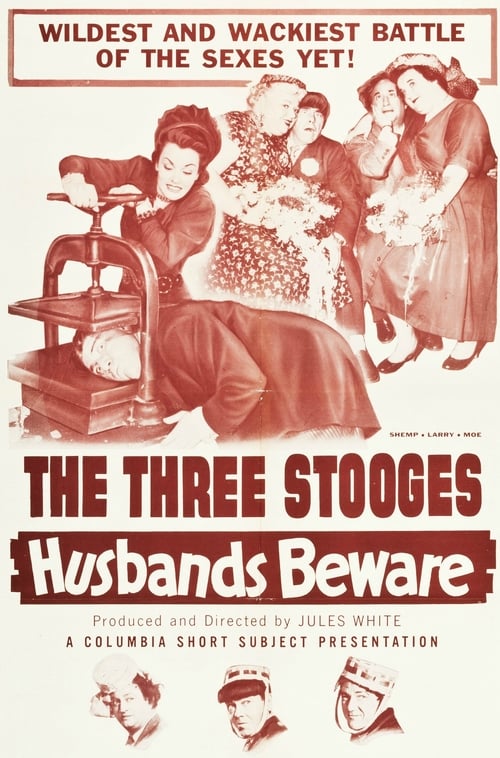
1956

1950
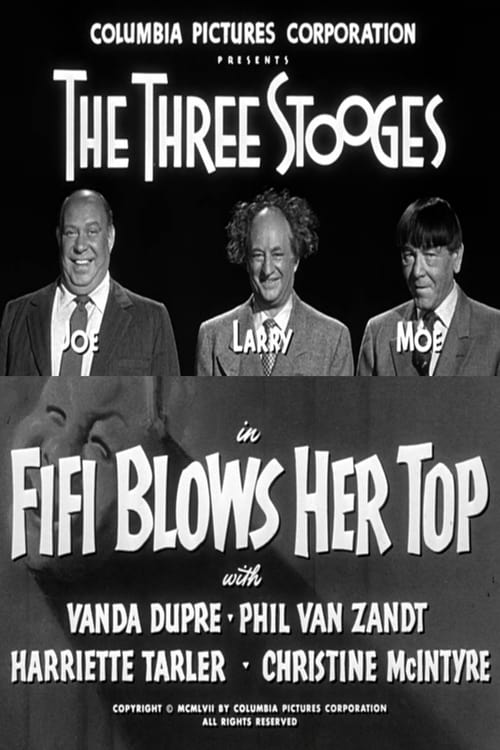
1958
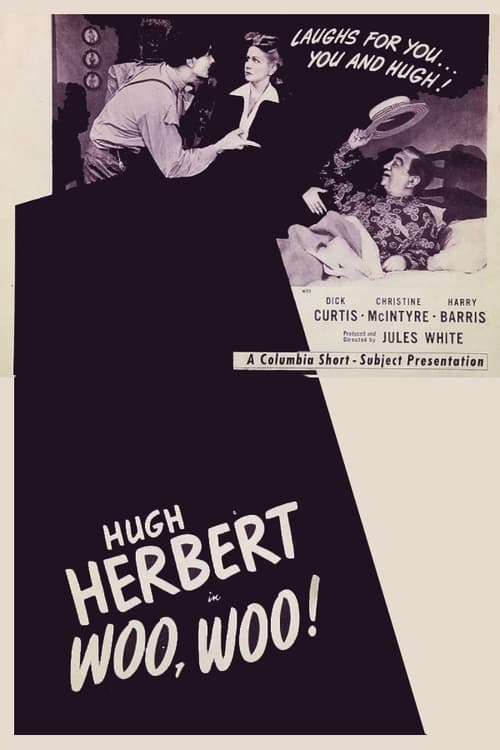
1945
No reviews yet. Be the first to share your thoughts on this movie!
Use the rating form above to leave a star rating and optional review.