The Wounded Angel
2016
No user ratings available yet
Representation score: 5.5 out of 10
Representation Score
Fair
2013
Director
Emir Baigazin
Runtime
115 minutes
Average Rating
No ratings yetNew Showbiz Analysis
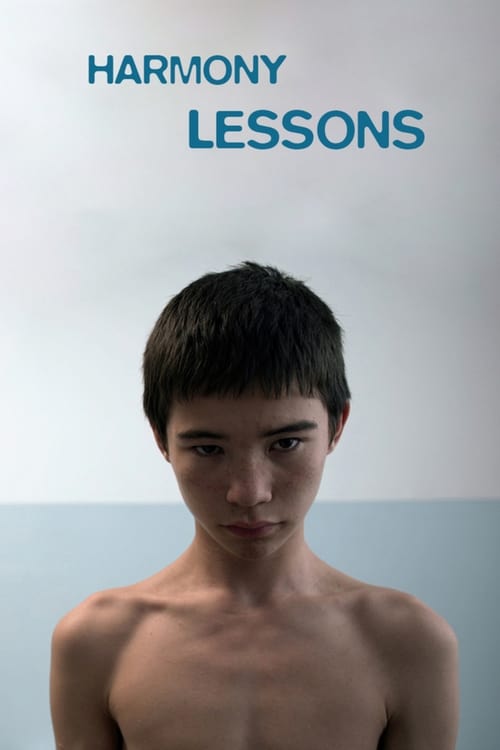
Harmony Lessons stands out as a culturally specific film, offering a genuine Kazakh perspective that avoids Western-centric storytelling. Its strength lies in its authentic cultural representation and its nuanced, non-judgmental portrayal of psychological issues. However, the film's narrow focus on a specific demographic limits its overall diversity score. It upholds traditional patriarchal structures and does not include LGBTQ+ identities or broader characters who reflect more than one aspect of diversity. Ultimately, the film serves as a formal study of isolation, emphasizing psychological depth and cultural specificity over broader social inclusion and disability rights.
Category Breakdown
The film does not include any LGBTQ+ characters. It focuses on the protagonist's mental state and his surroundings in a traditional rural setting.
The story portrays a strict, male-dominated society. It centers on a male character's struggle for control and does not give much importance to women's roles or challenge traditional gender roles.
The film showcases authentic Kazakh culture by featuring a cast from a remote steppe setting. This approach breaks away from Western-centric storytelling norms by providing a genuine local perspective.
The film questions the idealized family unit by showing the home as a place of isolation. It criticizes traditional social institutions by depicting authority as absolute and incomprehensible.
Aslan's obsessive-compulsive behaviors drive the plot. The film studies the psychological aspects of compulsion and social alienation rather than focusing on disability rights.
Present on Screen
Limited or Absent
Official Synopsis
During a medical examination, 13-year-old Aslan is humiliated in front of a load of his fellow pupils. The incident unleashes his latent personality disorder. Plagued by self-doubt, he strives for cleanliness and perfection and is obsessed with trying to control everything around him. His compulsion draws Aslan, who lives with his grandmother in a village in Kazakhstan, into increasingly difficult situations. He abhors the way most of his fellow pupils are held in the sway of a criminal scheme, in which Bolat, one of Aslan’s tormentors, is also involved. Bolat blackmails the younger children into paying him protection money; he has nothing but contempt for ostracised Aslan.
2016
2000

2011

2021
2012
2013

2005
2012
No reviews yet. Be the first to share your thoughts on this movie!
Use the rating form above to leave a star rating and optional review.