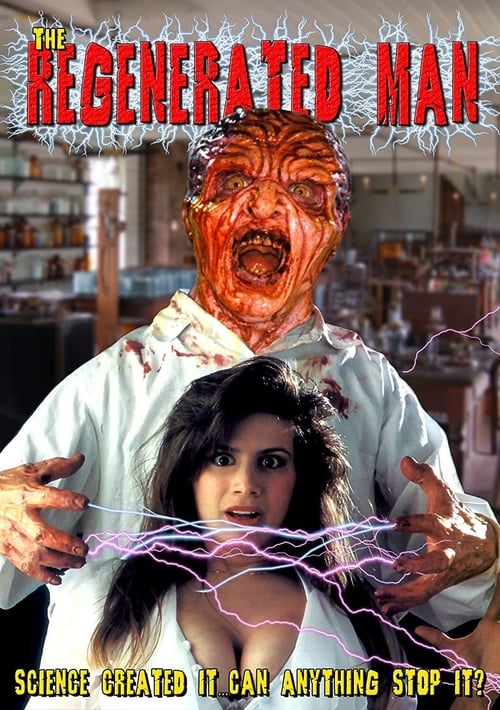
The Regenerated Man
1994
No user ratings available yet
Representation score: 4.1 out of 10
No Poster Available
Representation Score
Good
1996
Director
Francesc Xavier Capell
Runtime
73 minutes
Average Rating
No ratings yetNew Showbiz Analysis
Scientifically Perfect offers a thoughtful subversion of classic horror clichés by separating monstrosity from physical deformity. By centering a female scientist as the intellectual driver of the plot, the film challenges traditional gender roles in the creator archetype. However, the film's impact is limited by a lack of diverse representation. The narrative remains focused on biological essentialism and genetic engineering, leaving questions regarding racial, sexual, and systemic identity largely unaddressed. Ultimately, while the film succeeds in redefining the 'monster' through a progressive lens, it operates within a narrow thematic scope that misses broader opportunities for diverse representation.
Category Breakdown
The film does not explicitly confirm any LGBTQ+ characters or non-straight relationships. While there are metaphors for fluidity, there are no specific stories about LGBTQ+ individuals.
The film centers around a female scientist who is the main architect of life. She demonstrates intellectual leadership, shifting the traditional creator archetype away from patriarchal norms.
The story focuses on genetic issues rather than ethnic diversity. There is no indication of a non-Anglo-Saxon majority cast or engagement with racial diversity.
The film explores subjective morality and the ethics of scientific progress. It challenges traditional moral binaries by presenting the 'monster' as a regular person within a relativistic framework.
The film deconstructs the idea of a monster being defined by visible physical defects. However, it is unclear how the story addresses neurodivergence or invisible disabilities.
Present on Screen
Limited or Absent
Official Synopsis
The genetic engineering experiments of a female scientist have converted Xavi into a kind of Frankenstein's monster without physical defects: an apparently normal young man poised to take the 21st century by storm.
1994

1932

2022

1958

1980
1957

1972

1974
No reviews yet. Be the first to share your thoughts on this movie!
Use the rating form above to leave a star rating and optional review.