
Cut Shoot Kill
2017
No user ratings available yet
Diversity score: 3.4 out of 10
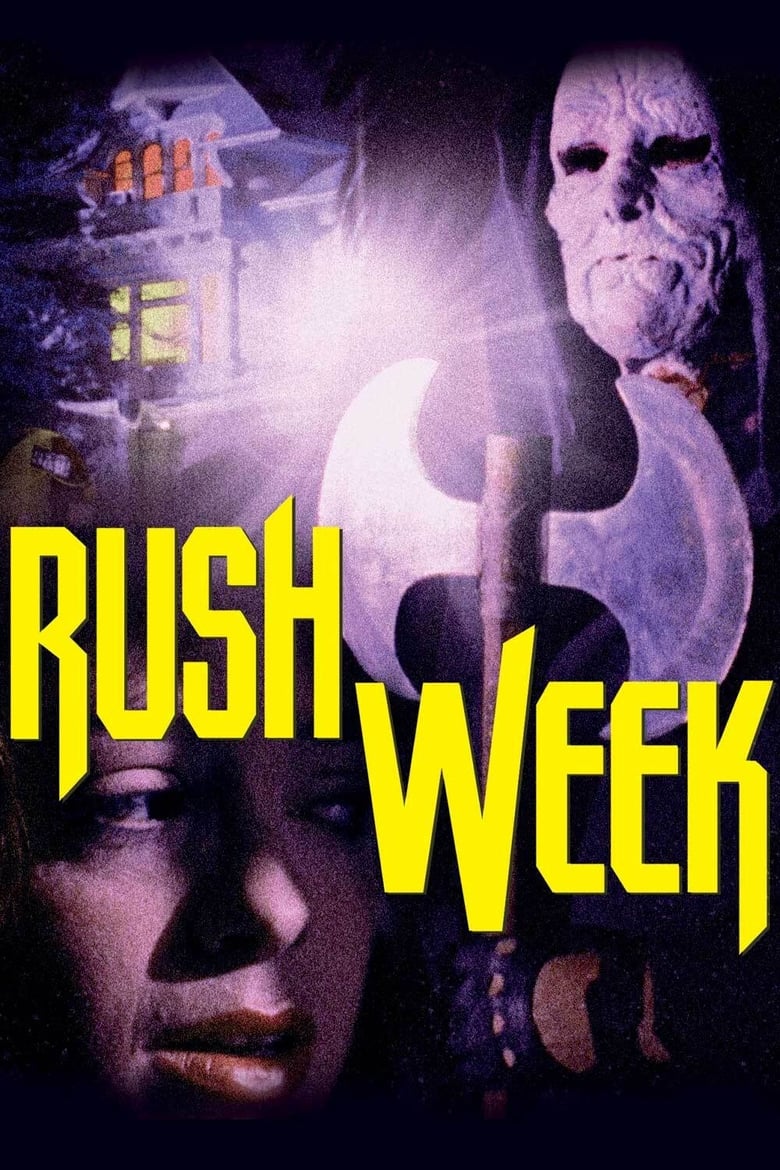
1989
Director
Bob Bralver
Runtime
96 minutes
Average Rating
No ratings yetSynopsis
Toni, a journalism student, transfers to a new college, where several coeds begin to disappear under suspicious circumstances. She decides to investigate the mystery on her own, and soon finds herself becoming embroiled in a twist filled saga of deeply buried secrets which attract the attention of a sadistic killer who will stop at nothing to hide the truth...
Overall Score
Limited
Category Breakdown
LGBTQ+ Representation
The film lacks visible queer presence or narratives that critique heteronormativity. The mystery focuses on female student disappearances without explicit evidence of non-cisnormative identities.
Gender Representation
A female journalist serves as the primary intellectual force driving the investigation. This provides the protagonist with agency, though she operates within the traditional investigative heroine archetype.
Racial & Ethnic Diversity
The film appears to adhere to the homogeneous demographic norms typical of late-80s campus thrillers. There is no evidence of a non-white majority cast.
Religious & Cultural Diversity
The story operates within a standard Western collegiate framework. It does not offer an explicit critique of religion, capitalism, or Western institutions.
Disability Representation
There is no mention of characters navigating physical or invisible disabilities. No data exists regarding neurodivergence within the character arcs.
Strengths
Areas for Improvement
AI Analysis
Rush Week is a conventional genre piece that reflects the standard tropes of late-1980s independent horror. While it avoids making women purely passive victims by centering on an ambitious female journalist, it remains tethered to established archetypes. The film lacks intersectional complexity, offering little in the way of diverse casting or systemic critique. It functions primarily as a mystery-driven thriller rather than a vehicle for social commentary. Ultimately, the narrative reinforces the demographic and cultural norms of its era, prioritizing genre expectations over progressive representation.
2017
2002

1986

2004

2001
2008

2015
2000
2015

1993

2018
1999
No reviews yet. Be the first to share your thoughts on this movie!
Use the rating form above to leave a star rating and optional review.