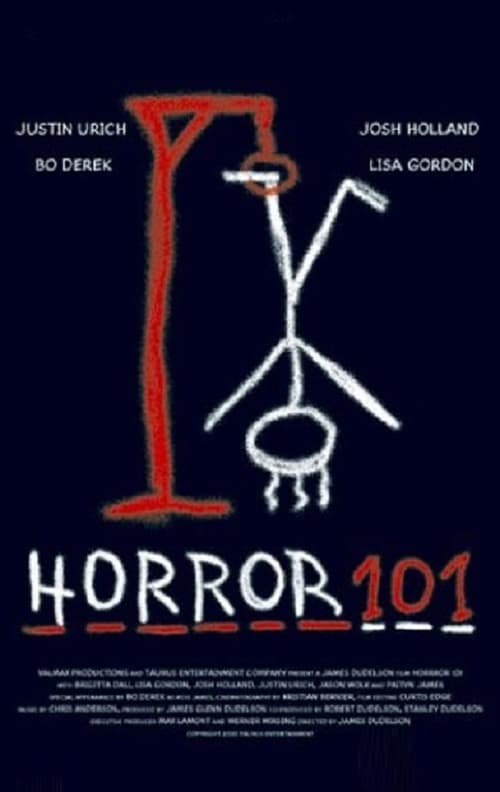
Horror 101
2001
No user ratings available yet
Representation score: 4.1 out of 10
Representation Score
Limited
2001
RDirector
Thomas Bradford
Runtime
90 minutes
Average Rating
No ratings yetNew Showbiz Analysis
This slasher film follows traditional cinematic structures from the early 2000s. It relies heavily on established genre clichés and standard demographic compositions, reinforcing straight-centered social structures. The narrative lacks intentionality in representing diverse identities, focusing instead on a uniform group of college students. It functions as a conventional genre piece that upholds existing social norms without challenging them.
Category Breakdown
The film centers on a heterosexual relationship between Beth and Hank, with no representation of LGBTQ+ identities or challenges to traditional relationships.
Female characters like Beth and Tina play key roles, but their actions are often driven by romantic tension or as targets. The film follows traditional gender roles without challenging them.
The cast is predominantly white, with no evidence of diverse ethnic backgrounds. The film does not feature actors from different racial or ethnic groups.
The story is set within a typical Western context, focusing on the spring break experience. It adheres to conventional social behaviors without questioning traditional institutions.
The main characters are able-bodied, and there is no depiction of physical, sensory, or neurodivergent disabilities.
Present on Screen
Limited or Absent
Official Synopsis
As a night out on the town turns into a nightmare, six young college students must fight for their lives as a killer hunts them down.
2001

2006
1999

2006
2005
1998
2008
2009
No reviews yet. Be the first to share your thoughts on this movie!
Use the rating form above to leave a star rating and optional review.