
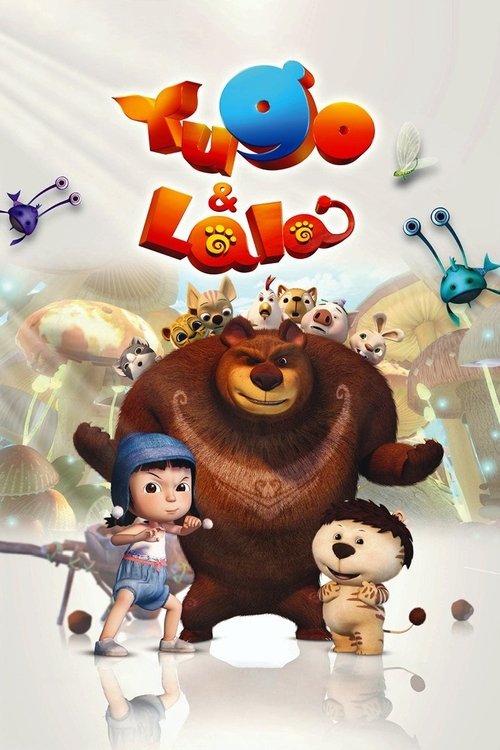
Yugo and Lala 2
2014
No user ratings available yet
Representation score: 3.6 out of 10

Representation Score
Good
2012
Director
Yan Tang
Average Rating
No ratings yetNew Showbiz Analysis
LaLa is a nuanced exploration of identity and institutional friction. It disrupts coming-of-age clichés by centering the protagonist's development within the framework of radical student activism and political awakening. The film excels in its portrayal of political ability to act and the deconstruction of social orders. By framing the struggle for autonomy through a post-colonial lens, it prioritizes systemic critique over status-quo storytelling. However, the narrative remains limited in its scope regarding certain identities. It lacks explicit LGBTQ+ storylines and does not feature characters with disabilities as central figures.
Category Breakdown
The film does not prominently feature LGBTQ+ characters or include non-traditional romantic relationships. Intimacy and relationships remain within conventional relational structures, providing little engagement with queer identities.
Female students play significant roles within male-dominated political movements. The protagonist, Ah-lam, offers a sophisticated look at how political conviction shapes female autonomy and decision-making.
The narrative centers a Cantonese-speaking cast and a Hong Kong setting. This localized perspective avoids Western homogenization, though the focus remains on a specific ethnic demographic.
The film provides a progressive critique of institutional authority and traditional hierarchies. It engages with post-colonial themes by framing student activism as a struggle for local autonomy.
There are no characters with visible or invisible disabilities serving as central plot devices or primary narrative drivers.
Present on Screen
Limited or Absent
2014

2006
2012

2011

2010

2010

2015
2014
No reviews yet. Be the first to share your thoughts on this movie!
Use the rating form above to leave a star rating and optional review.