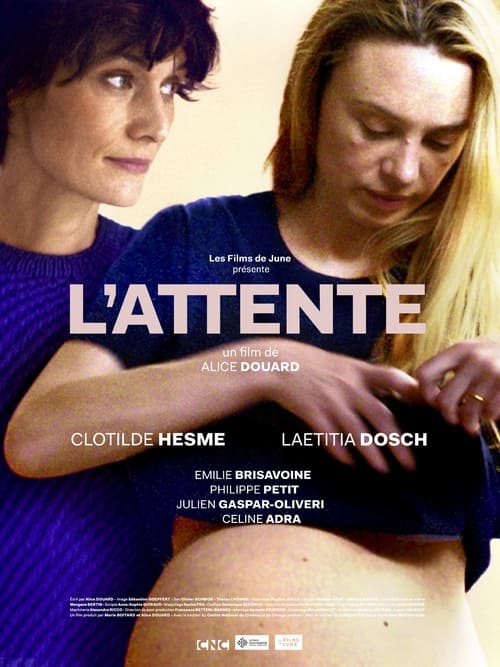
Expecting
2022
No user ratings available yet
Representation score: 4.3 out of 10

Representation Score
Good
2025
Director
Alice Douard
Runtime
97 minutes
Average Rating
No ratings yetNew Showbiz Analysis
Love Letters is a focused exploration of non-traditional families and the complexities of modern domestic life. By centering a same-sex couple navigating the intricacies of pregnancy and legal parenthood, the film challenges conventional family milestones. The narrative emphasizes the emotional legitimacy of underrepresented identities and addresses the structural importance of queer relationships and the scrutiny of social and legal frameworks. However, while the film excels in its portrayal of queer and gendered issues, the racial diversity remains tied to casting conventions rather than explicit plot themes. Additionally, there is no representation of characters with disabilities.
Category Breakdown
The film focuses on the everyday life of a same-sex couple raising a child together. It examines the unique challenges of being a non-traditional family unit in legal and social contexts.
The story challenges traditional gender roles by highlighting the emotional strength of women in the home. It shifts the focus from physical authority to emotional support.
The cast includes actors with Mediterranean or North African features, reflecting a more diverse demographic than a typical Western European setting.
The story questions traditional social structures and institutional definitions of family legitimacy. It promotes a secular approach to family and modern parenthood.
There is no explicit evidence regarding the inclusion of characters with visible or invisible disabilities.
Present on Screen
Limited or Absent
Official Synopsis
Céline, 32, is expecting her first child. But Céline is not pregnant. In three months, it is Nadia, her wife, who will give birth to their daughter.
2022

2022
1996

2011

2021

2023

2019
2010
No reviews yet. Be the first to share your thoughts on this movie!
Use the rating form above to leave a star rating and optional review.