Love Torn in a Dream
2000
No user ratings available yet
Representation score: 6.4 out of 10
Representation Score
Excellent
1987
Not RatedDirector
Raúl Ruiz
Runtime
100 minutes
Average Rating
No ratings yetNew Showbiz Analysis
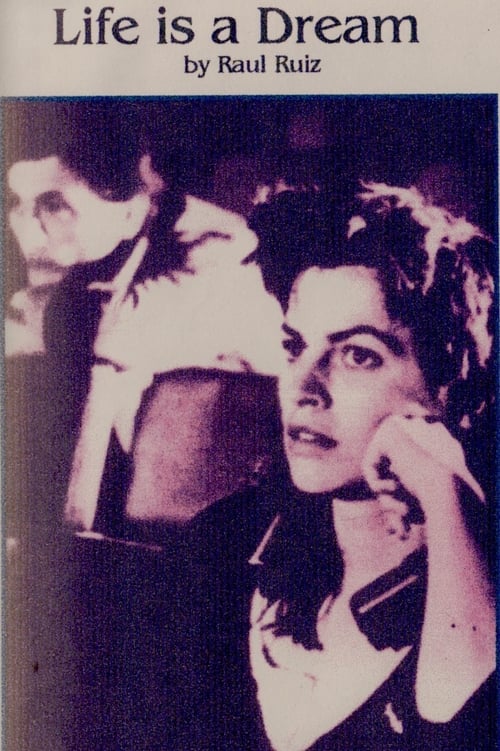
Life Is a Dream is a postmodern exploration of identity that prioritizes metaphysical inquiry over social categorization. Its strength lies in dismantling traditional hierarchies and questioning the permanence of Western structures through a surrealist lens. While the film effectively subverts gendered power dynamics and religious absolutes, it lacks specific, explicit representation for LGBTQ+ identities and racial diversity. The narrative focuses more on the instability of the self than on identity-driven character arcs. Ultimately, the film functions as a critique of objective reality, even if it remains largely subtextual regarding specific underrepresented identities.
Category Breakdown
The film explores identity as a fluid concept within a dream-like state but does not include explicit LGBTQ+ character arcs or same-sex relationships.
Ruiz challenges traditional gender roles by breaking down the heroic archetype. Characters are defined by their psychological states rather than fixed masculine traits or social roles.
The film's baroque, stylized aesthetic emphasizes symbolic meaning over physical appearance. There is no indication of intentional racial diversity or a non-Anglo-Saxon majority cast.
The narrative critiques the stability of Western institutions and religious certainties. It promotes a postmodern view where truth is a subjective construct of individual perception.
Themes of altered consciousness and mental fragility touch upon neurodivergence. These are treated as universal metaphysical conditions rather than specific, character-driven depictions of disability.
Present on Screen
Limited or Absent
Official Synopsis
A baroque mix of revolutionary politics, pop culture and semiotics loosely based on the play by Pedro Calderón de la Barca. A young prince learns that life is just a dream from which we wake when we die. And that dreams may be as real as life.
2000
1973
1987
1974
1984

2018
2000

2001
No reviews yet. Be the first to share your thoughts on this movie!
Use the rating form above to leave a star rating and optional review.