
After the Storm
2016
No user ratings available yet
Representation score: 6.9 out of 10
Representation Score
Excellent
2021
NRDirector
Ryusuke Hamaguchi
Runtime
179 minutes
Average Rating
No ratings yetNew Showbiz Analysis
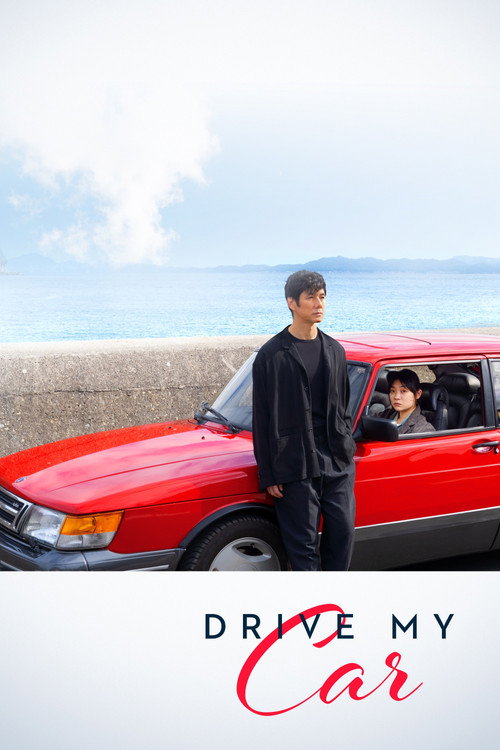
Drive My Car stands out through its use of multilingualism and its avoidance of traditional gender clichés. By incorporating various languages, the film creates a rich tapestry that reflects diverse human connections. However, the film remains limited by its focus on straight relationships and lacks explicit LGBTQ+ representation. Additionally, it does not include characters with visible physical disabilities. Ultimately, the film’s strength lies in its characters' ability to drive the story and its nuanced exploration of psychological trauma.
Category Breakdown
The film primarily focuses on straight relationships and does not center LGBTQ+ identities or non-straight relationships. It lacks explicit LGBTQ+ representation.
Misaki Watanabe challenges traditional gender roles as a competent and emotionally independent professional. Female characters play significant roles in driving the story and are not just supporting characters.
The film features multiple languages including Japanese, English, Mandarin, and Korean, disrupting the expectation of a single cultural experience. This multilingual approach highlights diverse backgrounds.
The narrative emphasizes psychological exploration over strict religious or social institutions. It deconstructs the idealized family by focusing on personal issues and subjective experiences.
The film explores invisible psychological struggles, such as the paralyzing effects of grief and trauma. It avoids inspirational stories by focusing on the difficulties of the healing process.
Present on Screen
Limited or Absent
Official Synopsis
Yusuke Kafuku, a stage actor and director, still unable, after two years, to cope with the loss of his beloved wife, accepts to direct Uncle Vanya at a theater festival in Hiroshima. There he meets Misaki, an introverted young woman, appointed to drive his car. In between rides, secrets from the past and heartfelt confessions will be unveiled.
2016

2018
2019

1995
2016

2023

2017

2023
No reviews yet. Be the first to share your thoughts on this movie!
Use the rating form above to leave a star rating and optional review.