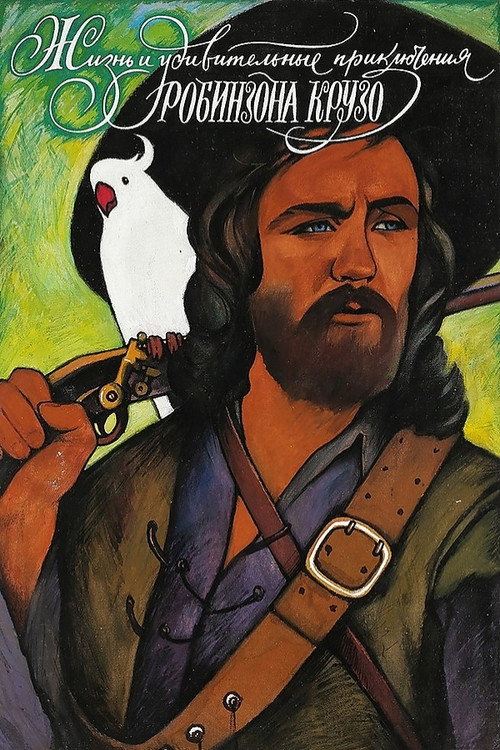
Life and Amazing Aventures of Robinson Crusoe
1973
No user ratings available yet
Diversity score: 2.9 out of 10
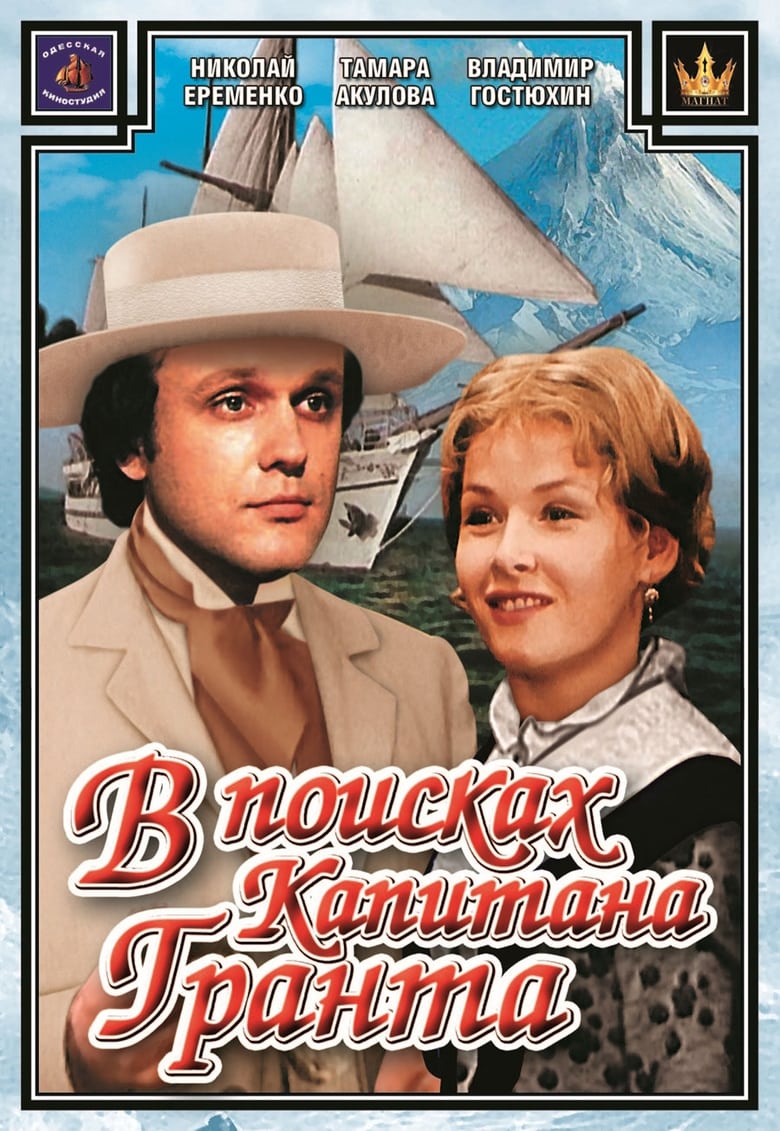
1985
Director
Stanislav Govorukhin
Runtime
455 minutes
Average Rating
No ratings yetSynopsis
Lord and Lady Glenarvan found a bottle in the ocean. this bottle contained a letter from captain Grant that he and 2 of his sailors had survived a disaster in sea and need help. Unfortunately, the letter was damaged by water, and only latitude is known (37 degrees), but no longitude. The Glenarvans decide to find captain Grant.
Overall Score
Limited
Category Breakdown
LGBTQ+ Representation
The film adheres to a mid-19th-century adventure framework. It contains no depictions of non-cisnormative identities or same-sex intimacy, operating within a traditional heteronormative structure.
Gender Representation
Narrative architecture is driven by male protagonists focused on maritime leadership. While female characters like Princess Aouda appear, they occupy secondary roles that reinforce 19th-century gender hierarchies.
Racial & Ethnic Diversity
The cast is predominantly white, reflecting the Eurocentric setting of the original text. While the journey traverses diverse locations, the perspective remains centered on Western protagonists.
Religious & Cultural Diversity
The film prioritizes themes of maritime duty and exploration over social critique. It upholds traditional values like honor and perseverance without questioning Western institutions or social orders.
Disability Representation
The story focuses on physical prowess and survival. There is no significant focus on neurodivergence or visible disabilities, and characters with limitations are not central agents.
Strengths
Areas for Improvement
AI Analysis
Stanislav Govorukhin’s adaptation prioritizes narrative fidelity to Jules Verne’s original work over contemporary social reinterpretation. The film functions as a traditional period piece that reflects the social constraints of its 19th-century setting. The production reinforces historical hierarchies regarding gender and race. It lacks the intentionality required to disrupt conventional tropes or promote intersectional representation, opting instead for classical narrative structures. Ultimately, the film serves as a standard adventure tale. It upholds the era's standard social dynamics and focuses on hero/antagonist archetypes rather than subverting established social frameworks.
1973
1955
1988
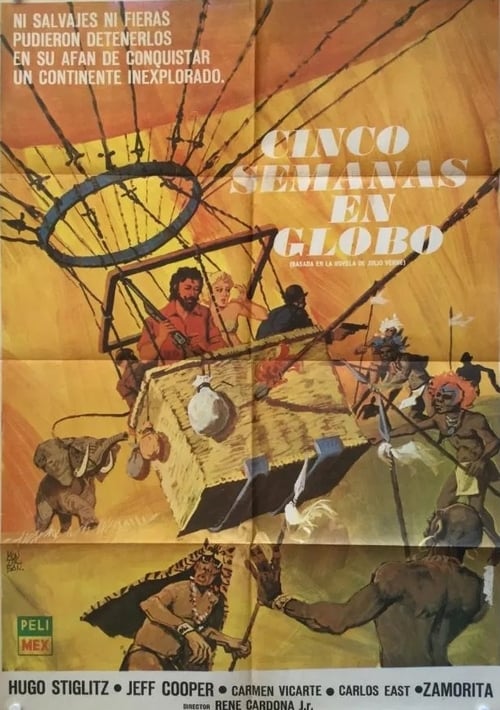
1975
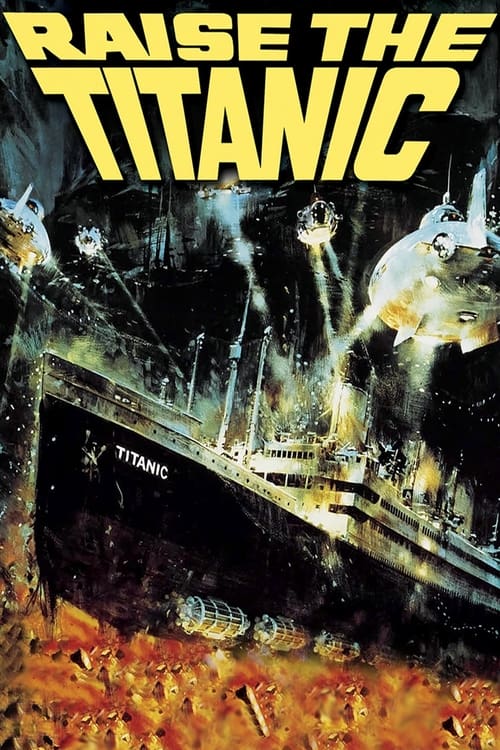
1980
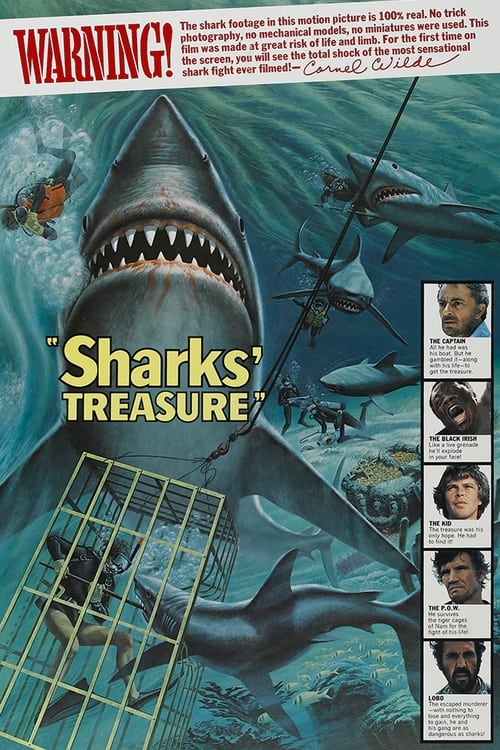
1975
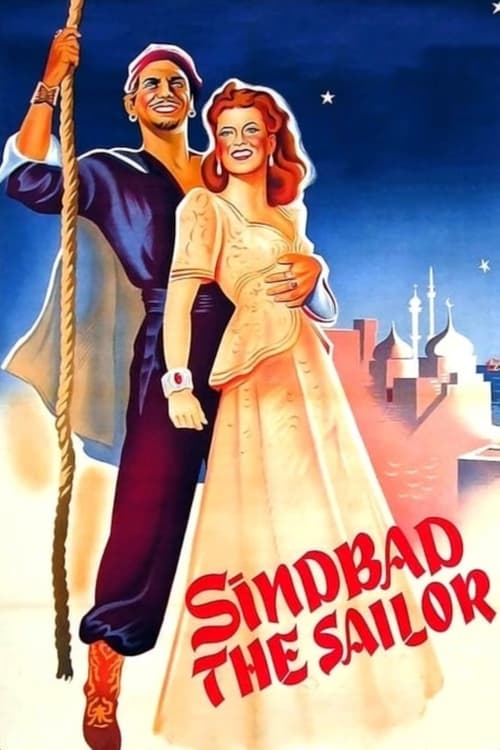
1947
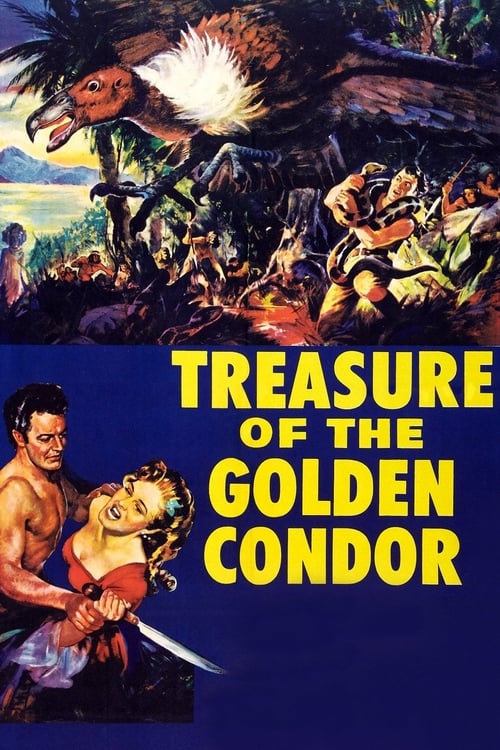
1953
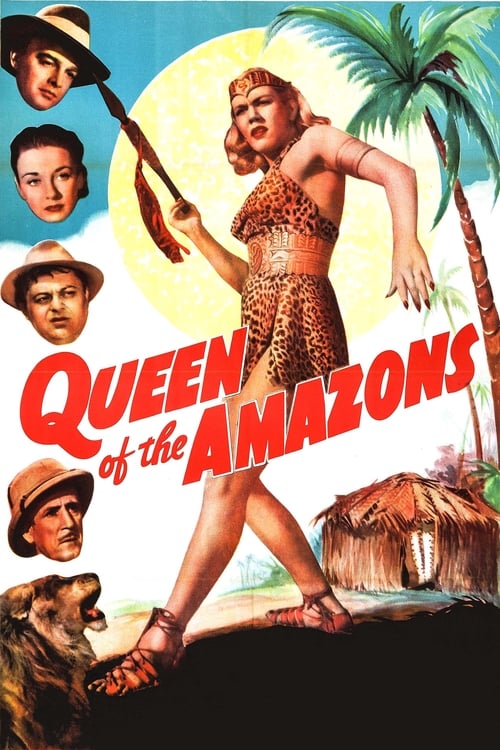
1947
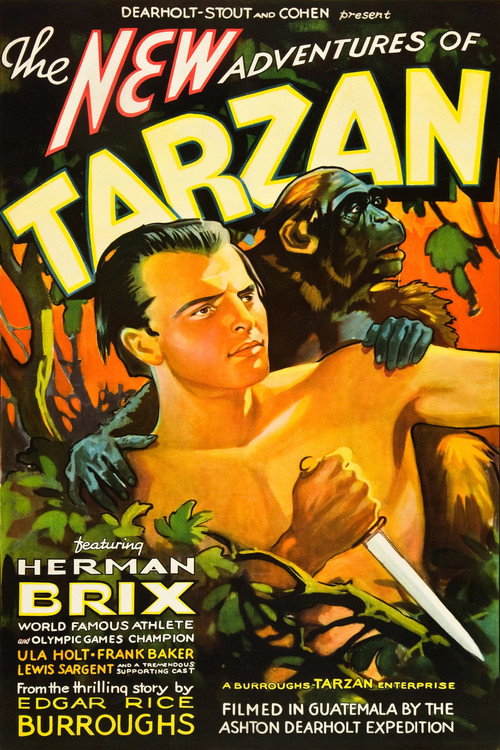
1935
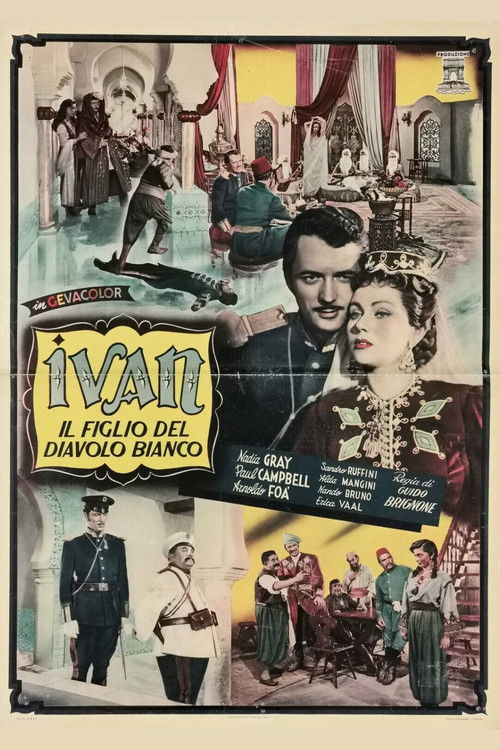
1953
1957
No reviews yet. Be the first to share your thoughts on this movie!
Use the rating form above to leave a star rating and optional review.