
Flying Down to Rio
1933
No user ratings available yet
Representation score: 1.5 out of 10
Representation Score
Minimal
1939
NRDirector
Erle C. Kenton
Runtime
60 minutes
Average Rating
No ratings yetNew Showbiz Analysis
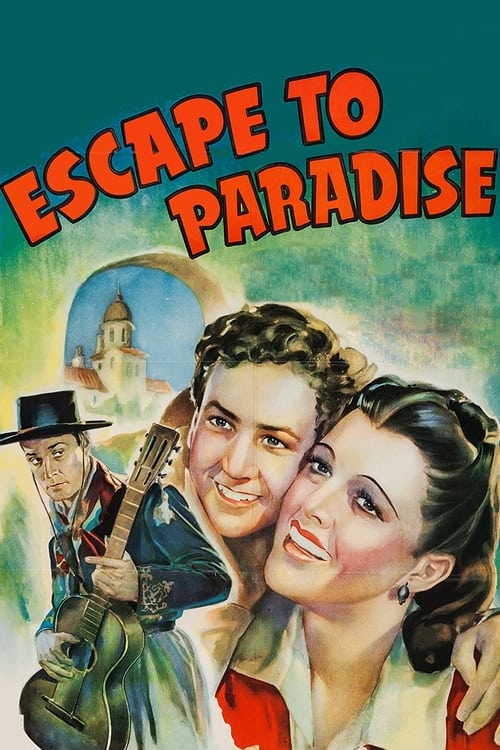
Escape to Paradise is a product of the 1930s studio system, prioritizing conventional romantic clichés and traditional social hierarchies. The narrative framework centers on an American tourist in South America, a setup that often favors Western-centric perspectives over authentic local representation. The film lacks evidence of diverse identities, likely following the era's standard conventions. The setting appears to function more as an exotic backdrop for Western protagonists than a space for genuine cultural exploration.
Category Breakdown
The film likely follows the strict conventions of 1930s cinema, which assume everyone is straight or cisgender. There is no indication of non-traditional gender identities or critiques of these assumptions.
Romantic comedies of this era often rely on traditional gender roles. The female lead likely serves as a romantic interest or a catalyst for the male protagonist's journey.
Set in South America, the film likely views the locale through a Western-centric lens. Local populations may be relegated to secondary or stereotypical roles behind the American tourist.
The narrative structure focuses on Western romantic ideals and individualistic pursuits. The plot likely uses the setting as a backdrop rather than critiquing Western dominance.
No information is available regarding the depiction of physical or neurodivergent characters in this work.
Present on Screen
Limited or Absent
Official Synopsis
An American tourist in South America finds love and unexpected trouble.
1933

1952

1931
1948
1943

1938

1952

1940
No reviews yet. Be the first to share your thoughts on this movie!
Use the rating form above to leave a star rating and optional review.