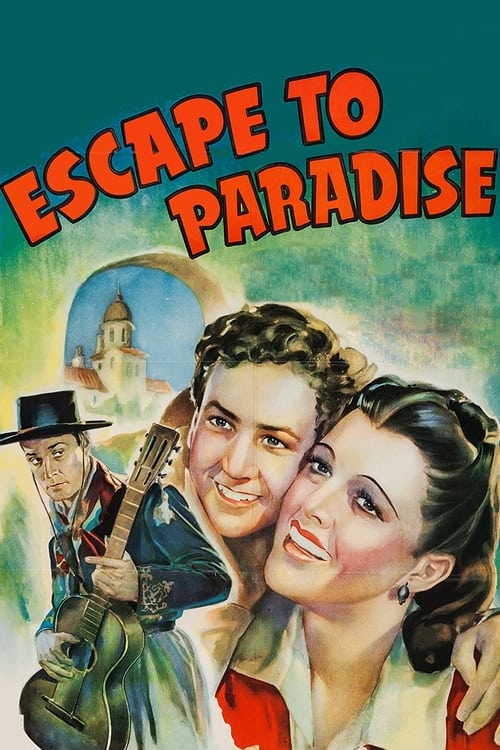
Escape to Paradise
1939
No user ratings available yet
Representation score: 1.6 out of 10
Representation Score
Minimal
1931
PassedDirector
William C. McGann
Runtime
62 minutes
Average Rating
No ratings yetNew Showbiz Analysis
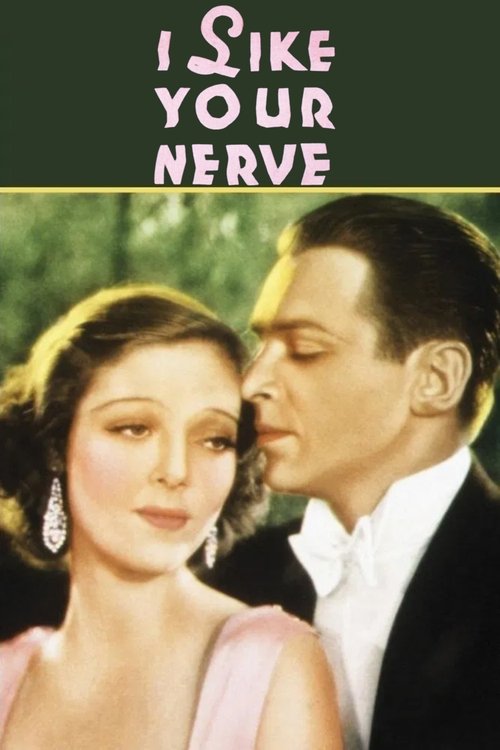
I Like Your Nerve is a product of the early 1930s studio system, emphasizing conventional social hierarchies and traditional romantic structures. The narrative revolves around a male-driven rescue mission, limiting the female lead's influence. The film's use of a Latin American setting appears more decorative than substantive, potentially reflecting a colonialist perspective typical of the era. Overall, the film lacks complexity in representing diverse identities and experiences, instead reinforcing the status quo of its time.
Category Breakdown
The film follows traditional heterosexual romantic storylines. There are no characters with same-sex relationships or non-binary gender identities.
The story centers on a male protagonist rescuing a female character from a forced marriage. Female characters have limited control over their own lives compared to the male lead.
Set in Latin America, the film uses the location primarily as an exotic backdrop without providing authentic cultural representation or a diverse cast.
The plot upholds the existing social and political order. It follows Western storytelling traditions that emphasize stability and conformity.
There are no characters with visible or invisible disabilities in the film.
Present on Screen
Limited or Absent
Official Synopsis
A bookworm goes to Latin America and saves a politician's daughter from a forced marriage.
1939

1938
1932
1927
1954
1934

1931

1924
No reviews yet. Be the first to share your thoughts on this movie!
Use the rating form above to leave a star rating and optional review.