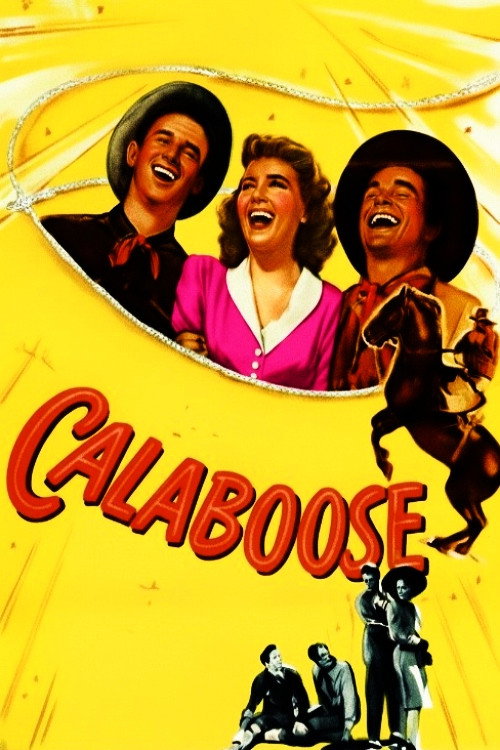
Calaboose
1943
No user ratings available yet
Diversity score: 1.7 out of 10

1933
NRDirector
Otto Brower
Runtime
54 minutes
Average Rating
No ratings yetSynopsis
Unable to find open range near Hollywood, western actor Tom Baxter and his troop head to Judy Blake's ranch to shoot their film.
Overall Score
Limited
Category Breakdown
LGBTQ+ Representation
The film lacks any evidence of non-heteronormative identities. It adheres to the standard social constraints regarding sexuality typical of 1933 cinema.
Gender Representation
While Judy Blake owns a ranch, the narrative follows traditional Western hierarchies. Masculine leadership remains the primary focus of the genre's structure.
Racial & Ethnic Diversity
The production likely reflects the homogeneous casting norms of the early 1930s. There is no evidence of high-agency characters of color or color-blind casting.
Religious & Cultural Diversity
The story operates within traditional Western values and frontier justice. It reinforces established social orders rather than critiquing them.
Disability Representation
There is no evidence of characters with visible or invisible disabilities. Such representation was rarely addressed with agency during this era of filmmaking.
Strengths
Areas for Improvement
AI Analysis
Scarlet River is a conventional product of the early 1930s, functioning as a standard genre piece that reinforces rather than challenges existing social hierarchies. The film relies on established Western tropes and traditional character archetypes common to the studio era. The narrative architecture prioritizes frontier conflicts and traditionalist values. It lacks the intentionality needed to disrupt conventional social expectations or provide meaningful representation for marginalized groups. Ultimately, the film serves as a baseline example of period-typical storytelling, focusing on established social orders and homogeneous casting norms.
1943
1925

1943
1938
No reviews yet. Be the first to share your thoughts on this movie!
Use the rating form above to leave a star rating and optional review.