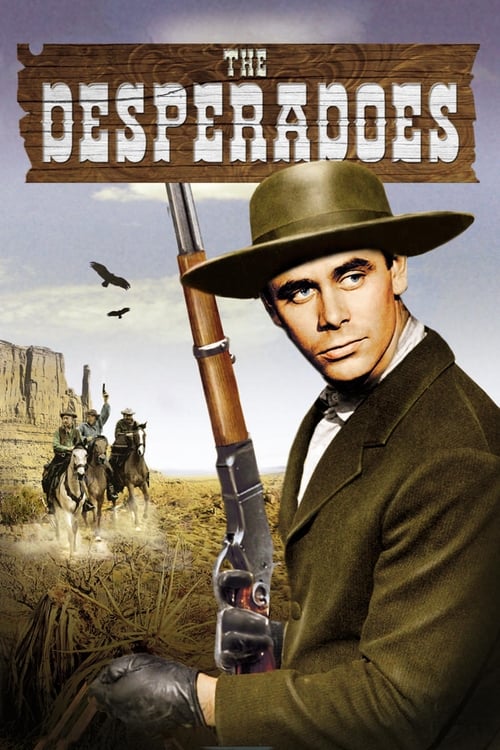
The Desperadoes
1943
No user ratings available yet
Diversity score: 2.1 out of 10
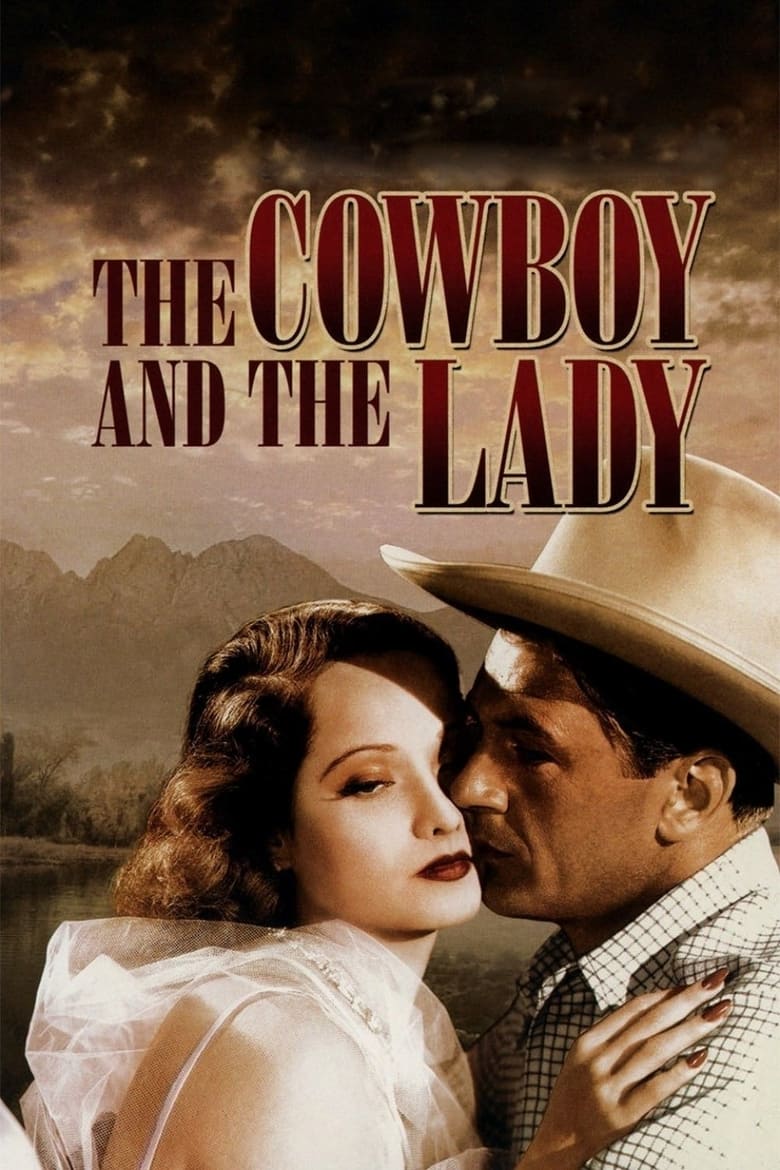
1938
NRDirector
H. C. Potter
Runtime
91 minutes
Average Rating
No ratings yetSynopsis
Mary Smith decides after a lifetime of being a shut-in to do something wild while her father is out campaigning for the presidency, so she takes off for the family's home in West Palm Beach and inadvertently becomes romantically entangled with earnest cowboy Stretch Willoughby. Neither the dalliance nor the cowboy fit with the upper class image projected by her esteemed father, forcing her to choose.
Overall Score
Limited
Category Breakdown
LGBTQ+ Representation
The film focuses entirely on a heteronormative romance. No non-cisnormative identities or same-sex intimacy are present in the narrative.
Gender Representation
Mary Smith drives the plot through her socioeconomic agency and autonomy. The male lead occupies a subordinate social position, departing from typical protector tropes.
Racial & Ethnic Diversity
The production reflects the demographic homogeneity of 1930s Hollywood. The cast and setting are predominantly white, with no engagement with racial diversity.
Religious & Cultural Diversity
The story explores friction between the landed aristocracy and the rural working class. It frames upper-class life as a restrictive, performative construct.
Disability Representation
There are no visible or invisible disabilities portrayed within the primary character arcs.
Strengths
Areas for Improvement
AI Analysis
The film operates as a class-based romantic comedy that finds its most progressive elements in gender dynamics. By centering a female protagonist with significant social capital, the story subverts the era's typical 'damsel' archetypes through her personal agency. However, the film remains deeply rooted in the social norms of 1938. It lacks any meaningful representation of racial, ethnic, or LGBTQ+ identities, focusing instead on a homogeneous social structure. Ultimately, while the narrative challenges class-based performance and gender hierarchies, it does so within a very narrow, traditional framework that avoids broader systemic critiques.
1943
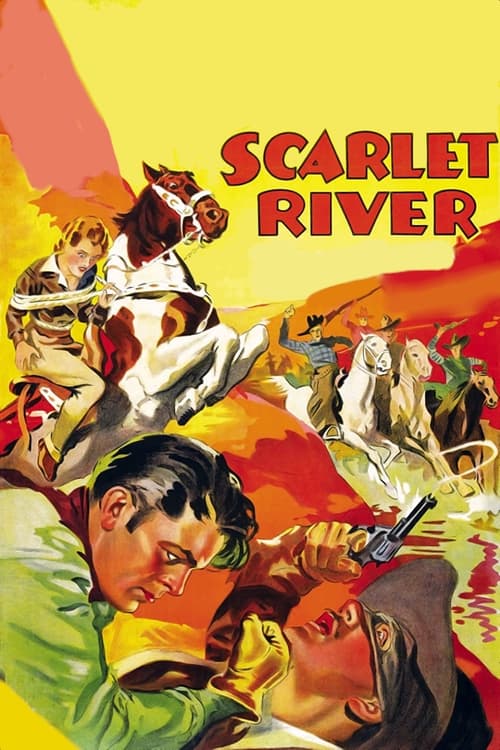
1933
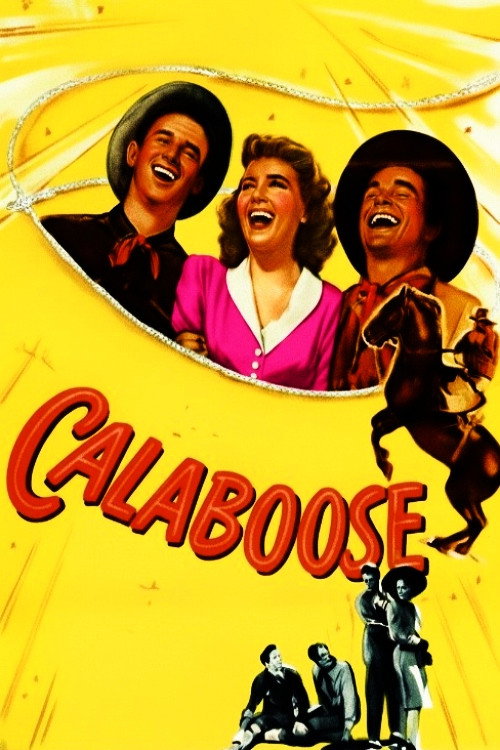
1943
1948
No reviews yet. Be the first to share your thoughts on this movie!
Use the rating form above to leave a star rating and optional review.