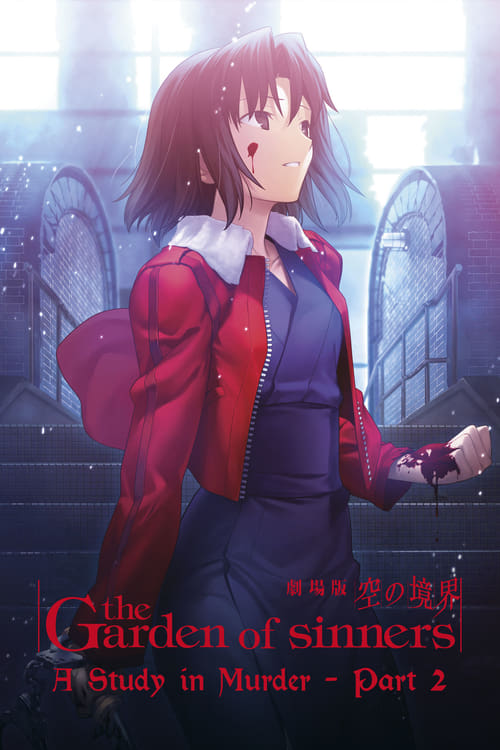
The Garden of Sinners: A Study in Murder - Part 2
2009
No user ratings available yet
Representation score: 7.9 out of 10

Representation Score
Good
2008
16+Director
Takahiro Miura
Runtime
59 minutes
Average Rating
No ratings yetNew Showbiz Analysis
The film excels at deconstructing traditional power hierarchies, especially through its subversion of gendered archetypes. Shiki Ryougi offers a powerful alternative to standard feminine roles, characterized by decisive action and supernatural dominance. However, the narrative remains culturally and socially narrow. The absence of explicit LGBTQ+ representation and the homogeneous racial landscape limits its inclusivity within a global context. Ultimately, the work is a sophisticated exploration of identity and subjective reality. It prioritizes a deep, metaphysical examination of individual perception over conventional social diversity.
Category Breakdown
The film does not include explicit same-sex relationships or non-cisgender identities. It explores fluid boundaries of existence but maintains traditional romantic structures.
Shiki Ryougi challenges typical feminine stereotypes through her stoic demeanor and strong presence. She avoids submissive roles and instead takes a dominant and intellectually powerful stance.
The cast is predominantly of a single ethnicity, reflecting a specific urban Japanese setting. While it avoids harmful stereotypes, it does not feature a blend of diverse racial or cultural backgrounds.
The narrative embraces postmodernism and moral relativism, rejecting objective morality in favor of situational ethics and fragmented truths.
The protagonist's unique sensory perception is portrayed as a central part of her identity rather than a burden. The film avoids 'inspiration porn' by showing it as an isolating reality.
Present on Screen
Limited or Absent
Official Synopsis
January 1999: Apprentice mage Azaka Kokutou, Mikiya's younger sister, has been ordered by her mentor, Touko Aozaki, to investigate a certain incident in which fairies steal the memories of students at Azaka's school, Reien Academy. Azaka launches an investigation with the help of Shiki.
2009
2017

2008

2012

2011

2008

2008

2020
No reviews yet. Be the first to share your thoughts on this movie!
Use the rating form above to leave a star rating and optional review.