
Spies of Mississippi
2014
No user ratings available yet
Representation score: 8.9 out of 10
Representation Score
Good
2020
TV-PGDirector
Sam Pollard
Runtime
104 minutes
Average Rating
No ratings yetNew Showbiz Analysis
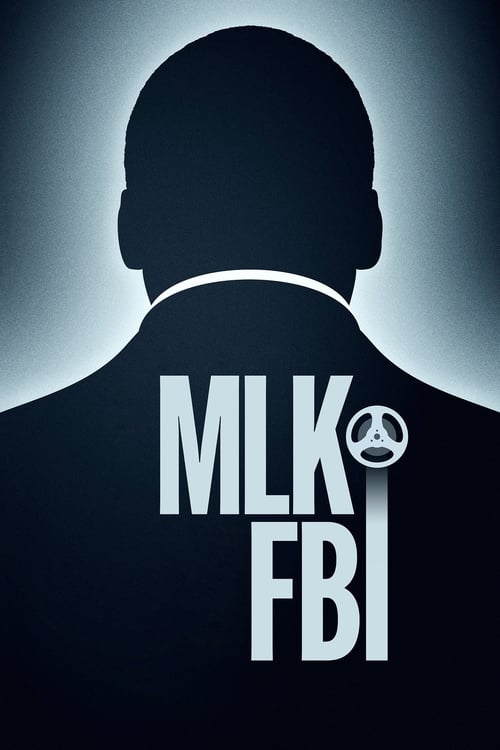
MLK/FBI is a sophisticated examination of institutional power that goes beyond simple inclusion. It succeeds by highlighting the roles of underrepresented figures and exposing the mechanisms of state-sponsored harassment. The film effectively challenges the perceived legitimacy of traditional Western authority through a systemic lens. The documentary's strength lies in its ability to frame historical events as a critique of power dynamics. By focusing on how the state used surveillance to suppress dissent, it offers a deep look at the intersection of race, gender, and morality. While the film excels in racial and cultural analysis, it lacks specific engagement with disability representation. However, its treatment of gender and LGBTQ+ themes through the lens of institutional oppression provides significant depth.
Category Breakdown
The film explores how the FBI used straight-centered standards to target Dr. King. It highlights how private life and perceived moral deviations were used as tools for blackmail and character assassination.
The documentary emphasizes the crucial roles of women in the Civil Rights Movement. It contrasts the movement's social structures with the rigid, patriarchal hierarchies of the FBI.
The narrative focuses on the intellectual and strategic leadership of Black Americans. It demonstrates how systemic racism was deeply embedded in state operations during the Jim Crow era.
The film portrays the Black Church as a key site of resistance. It critiques Western institutions by illustrating how the government employed psychological warfare to suppress domestic dissent.
There is no significant focus on visible or invisible disabilities within the documentary content.
Present on Screen
Limited or Absent
Official Synopsis
Based on newly declassified files, the film explores the US government’s surveillance and harassment of Martin Luther King, Jr.
2014
2020

2018

2017

2019
2019

2012
2017
No reviews yet. Be the first to share your thoughts on this movie!
Use the rating form above to leave a star rating and optional review.