
Justin Bieber: Rise to Fame
2011
No user ratings available yet
Representation score: 2.5 out of 10

Representation Score
Limited
1962
Director
Wolf Koenig, Roman Kroitor
Runtime
27 minutes
Average Rating
No ratings yetNew Showbiz Analysis
Lonely Boy serves mainly as a deconstruction of celebrity culture rather than a study of identity-based representation. Its strength lies in its observational realism and its critique of the commercial mechanisms of the music industry. While the film lacks diverse racial and ethnic representation, as well as LGBTQ+ perspectives, it offers a progressive view of the systemic structures of the music industry.
Category Breakdown
The film does not include any LGBTQ+ characters or stories, focusing instead on the traditional fan-celebrity relationship of the early 1960s.
The movie centers around a male pop star and explores how gender roles are formed. However, it does not show women in powerful positions.
The film reflects the predominantly white makeup of the early 1960s music industry. There is no indication of significant racial diversity.
The documentary critiques the 'marketing machine' and the commercialization of youth culture. It challenges the idealized image of stardom through a cynical, realistic perspective.
The film does not address any visible or invisible disabilities.
Present on Screen
Limited or Absent
Official Synopsis
This short film portrays the story of singer Paul Anka, who rose from obscurity to become the idol of millions of adolescent fans around the world. Taking a candid look at both sides of the footlights, this film examines the marketing machine behind a generation of pop singers. Interviews with Anka and his manager reveal their perspective on the industry.
2011

2018
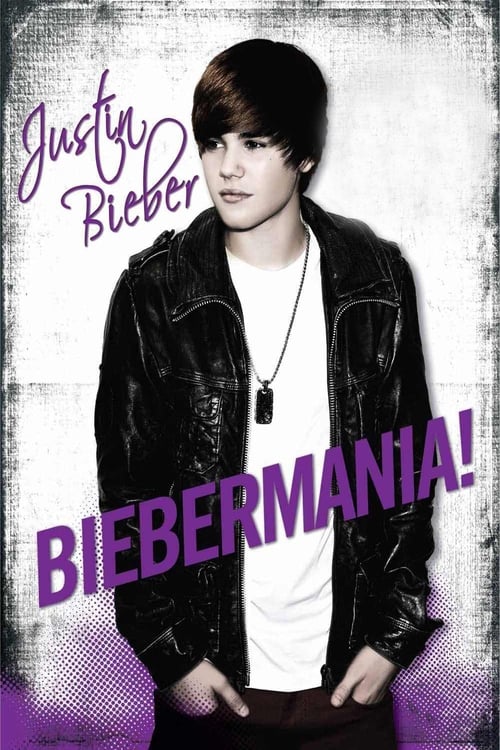
2011
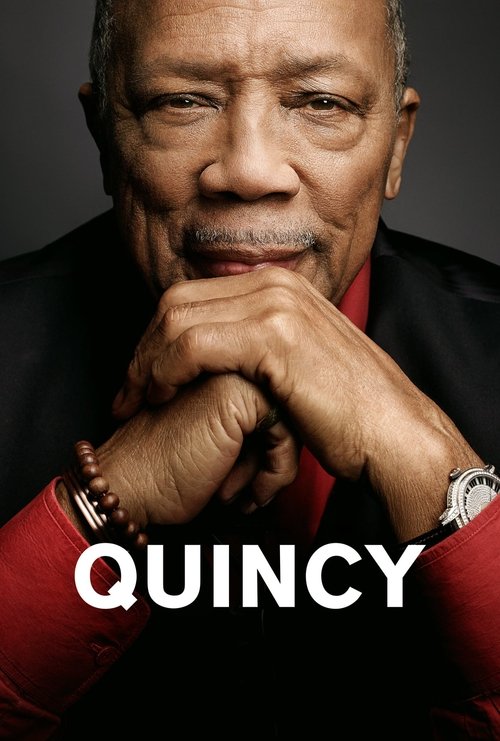
2018
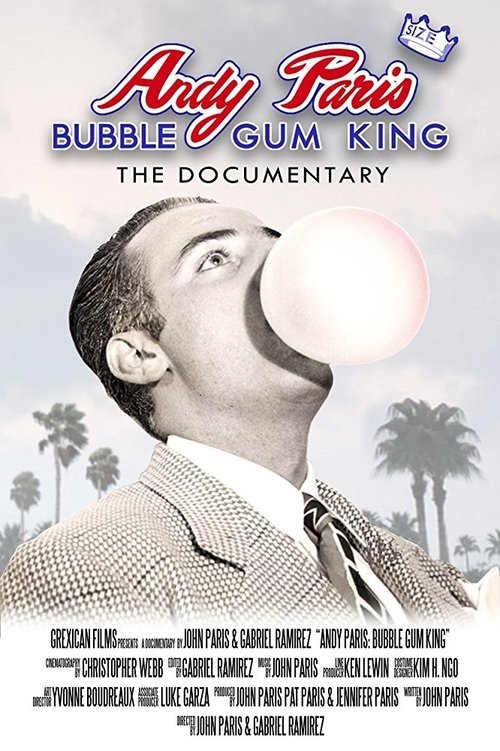
2010

2020

2019
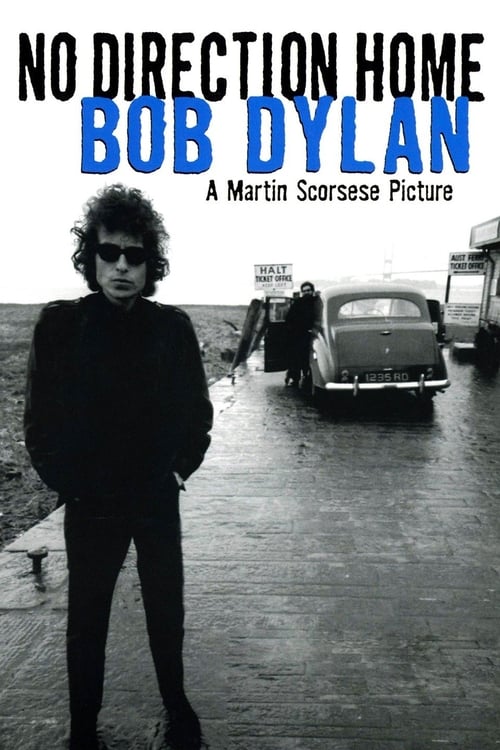
2005
No reviews yet. Be the first to share your thoughts on this movie!
Use the rating form above to leave a star rating and optional review.