
Kicking Off
2013
No user ratings available yet
Representation score: 2.4 out of 10
Representation Score
Minimal
1984
Director
Jean-Pierre Mocky
Runtime
82 minutes
Average Rating
No ratings yetNew Showbiz Analysis
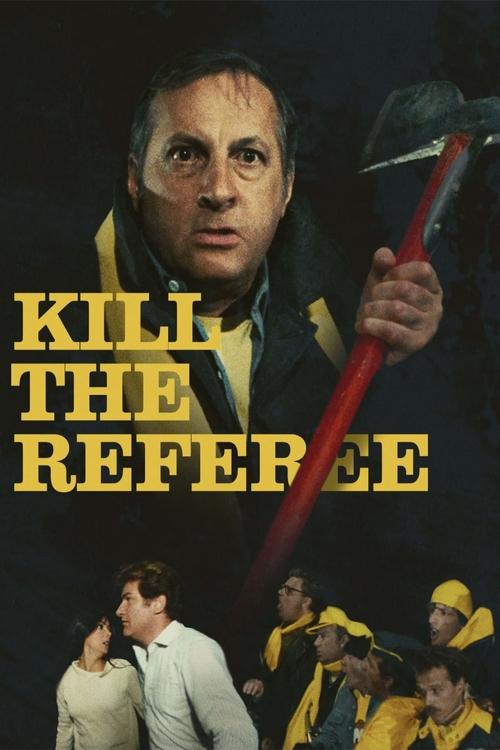
Kill the Referee primarily serves as a character study of individual integrity versus systemic social aggression. The narrative delves into the tension between a professional official and the irrationality of a mob. While the film offers a sharp critique of institutionalized violence and the fragility of social order, it lacks depth in exploring diverse identities. The story is driven by masculine conflict and sports-related tension rather than identity-based themes. Ultimately, the film's strength lies in its thematic exploration of social friction. However, it falls short in representing diverse demographics across gender, race, and sexual orientation.
Category Breakdown
The film does not feature any LGBTQ+ characters or stories related to non-assuming gender matches what was assigned at birth identities. The plot focuses solely on sports-related conflicts and hooliganism.
The story revolves around a male protagonist and a male-dominated environment of football hooligans. There is no indication of female involvement or gender subversion.
No specific information is available about the racial or ethnic makeup of the cast. The narrative does not provide sufficient details to evaluate ethnic diversity.
The film critiques social instability and the corruption within organized sports systems. It highlights the risks of mob mentality and populist aggression.
The film does not include any characters dealing with physical, sensory, or neurodivergent conditions. The narrative does not address disability.
Present on Screen
Limited or Absent
Official Synopsis
Michel, a referee has to suffer the consequences of having whistled a penalty against a team which is supported by football hooligans.
2013
1995
1991
2001

2018

2013
1989
1995
No reviews yet. Be the first to share your thoughts on this movie!
Use the rating form above to leave a star rating and optional review.