
Saints and Sinners
1994
No user ratings available yet
Representation score: 3.1 out of 10
Representation Score
Fair
1995
Director
Phil Davis
Runtime
107 minutes
Average Rating
No ratings yetNew Showbiz Analysis
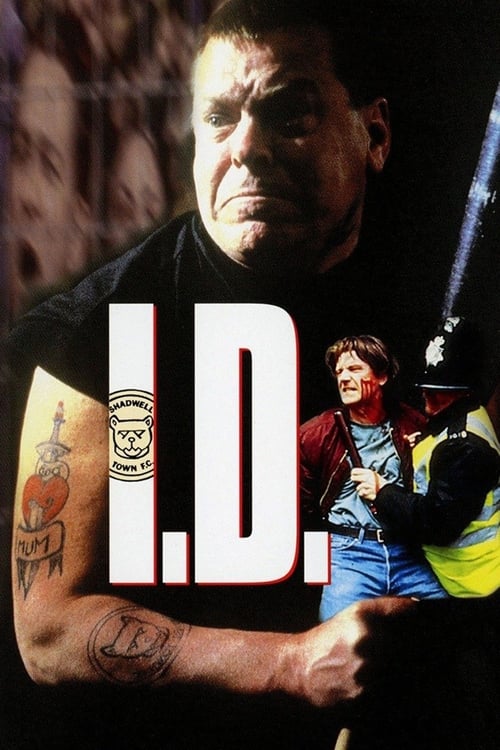
I.D. is a focused look at the British carceral system, emphasizing a hyper-masculine environment. It lacks representation of LGBTQ+ individuals and women, focusing instead on physical strength and aggression. The film offers a sharp critique of the legal and penal systems, showing them as oppressive and corrupt. It highlights the struggle of individuals against a dehumanizing system. While the film excels in its cultural commentary on institutional failure, it falls short in providing diverse representation.
Category Breakdown
The film adheres to a strict focus on masculinity, with no room for LGBTQ+ identities. The prison setting emphasizes traditional masculine roles, excluding any representation of queer experiences.
Women play a negligible role in the narrative due to the all-male environment. Power dynamics are centered around physical strength and aggression, with no significant female influence.
The cast primarily consists of white actors, reflecting the socio-economic context of the British prison system. There is limited diversity in the main character arcs.
The film effectively critiques Western institutions, depicting legal and penal systems as corrupt and dehumanizing. Survival is portrayed as a response to systemic failures.
The film does not address visible or invisible disabilities. Characters are defined by their physical abilities and violent actions, rather than any form of disability.
Present on Screen
Limited or Absent
Official Synopsis
Four policemen go undercover and infiltrate a gang of football hooligans hoping to route out their leaders. For one of the four, the line between 'job' and 'yob' becomes more unclear as time passes . . .
1994

2021
2016

1993

2005
2004

2002
1990
No reviews yet. Be the first to share your thoughts on this movie!
Use the rating form above to leave a star rating and optional review.