
The Firm
2009
No user ratings available yet
Representation score: 1.3 out of 10
Representation Score
Minimal
1991
Director
Ricky Tognazzi
Runtime
95 minutes
Average Rating
No ratings yetNew Showbiz Analysis
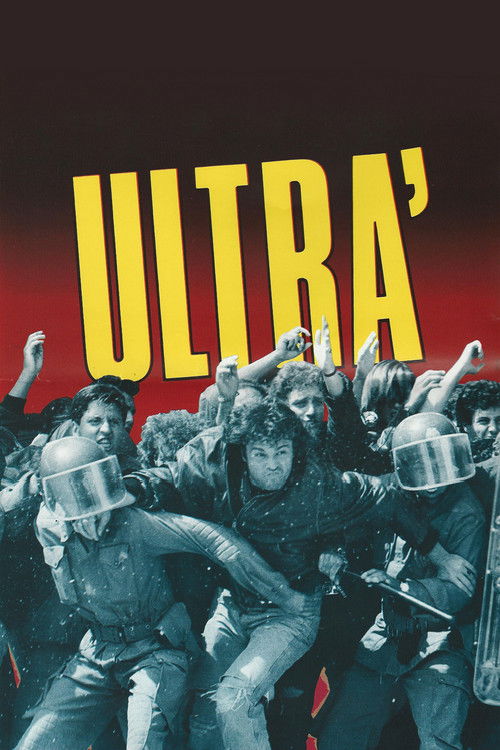
Ultrà is a gritty character study of tribalism and the breakdown of social cohesion. It offers a sophisticated cultural critique by examining the protagonists' actions through the lens of socioeconomic disenfranchisement. This perspective challenges standard law-and-order narratives by delving into the internal codes of underrepresented subcultures. However, the film is constrained by its narrow demographic focus. The heavy reliance on rigid, traditional masculine hierarchies and the exclusion of female characters limit its social breadth. The environment is hyper-masculine and insular, offering little space for diverse identities. While the film achieves progressive complexity in its social commentary, its lack of characters who reflect more than one aspect of diversity hinders a higher diversity score.
Category Breakdown
The film focuses solely on straight relationships and does not include any LGBTQ+ characters or explore queer dynamics. The setting is highly masculine and excludes any queer representation.
Female characters play minor roles, mainly serving as catalysts for male conflicts. The story revolves around male-driven violence and traditional masculine hierarchies.
The cast is mostly made up of a homogeneous working-class demographic. While capturing a specific regional identity, the film does not intentionally include diverse ethnic or characters who reflect more than one aspect of diversity.
The film provides a nuanced cultural critique by showing anti-social behavior as a result of systemic neglect. It questions the legitimacy of state-sanctioned laws and moral standards.
The film does not focus on visible or invisible disabilities. Characters are defined by their physical strength and tribal involvement, rather than any disabilities.
Present on Screen
Limited or Absent
Official Synopsis
The "Brigatte Veneno" is a fan group from the soccer club "AS Roma". The next match is against "Juventus Turin", the classic prestige duel. Principe, the former leader of the group, has been dismissed from jail a few days before. He has to realize that his best friend Red has not only taken over control of the group, but also has started an affair with his girlfriend. The rivalry between the hot-blooded Principe and the sensible Red causes an anxious mood within the group. When Smilzo, a member of the group, dies during a street fight with another fan group, Red knows that Principe is to be blamed for this catastrophe.
2009

2001

2020

1963
2009
1984

2020

1997
No reviews yet. Be the first to share your thoughts on this movie!
Use the rating form above to leave a star rating and optional review.