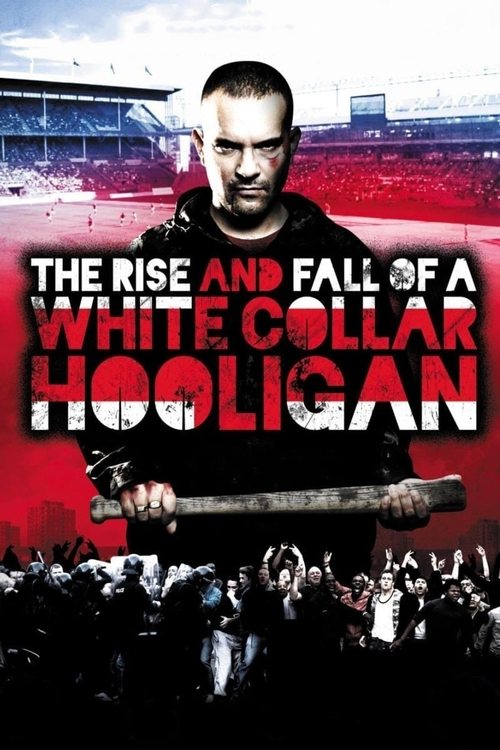
The Rise & Fall of a White Collar Hooligan
2012
No user ratings available yet
Representation score: 1.6 out of 10

Representation Score
Fair
2013
Director
Paul Tanter
Runtime
76 minutes
Average Rating
No ratings yetNew Showbiz Analysis
The film is a conventional crime drama that emphasizes individual survival and masculine conflict over diverse representation. It relies on established clichés like the 'fall from grace' arc and the provider-driven motivation of the protagonist. While the inclusion of a Polish gang introduces ethnic tension, the narrative remains localized and lacks a nuanced view of multiculturalism. The story adheres to traditional social structures and Western storytelling norms. Ultimately, the work lacks progressive narrative depth, opting for a familiar socio-economic struggle within a traditional framework.
Category Breakdown
The film does not include any LGBTQ+ characters or non-cisgender identities. It centers on a traditional family unit.
Gender roles adhere to traditional hierarchies, emphasizing masculine violence and protection. The female character remains in a supportive, domestic role.
Ethnic tension is introduced through a Polish drug-running gang, adding some variety. However, the story remains focused on a British perspective and localized crime clichés.
The story follows Western narrative structures focusing on the nuclear family and economic struggles. Crime is framed as a result of circumstances rather than a systemic issue.
A physical injury triggers the protagonist's downward spiral, serving as a plot device rather than exploring disability in depth.
Present on Screen
Limited or Absent
Official Synopsis
A bar fight leaves up-and-coming professional footballer Andy injured and out of the game. Needing money to support his pregnant wife and himself, he buys an ice cream van and gets to work. When a gang of Polish drug runners starts to irritate him, he joins a British gang involved in football hooliganism for protection.
2012
1995

2018

2007
2016

2020
2014

2011
No reviews yet. Be the first to share your thoughts on this movie!
Use the rating form above to leave a star rating and optional review.