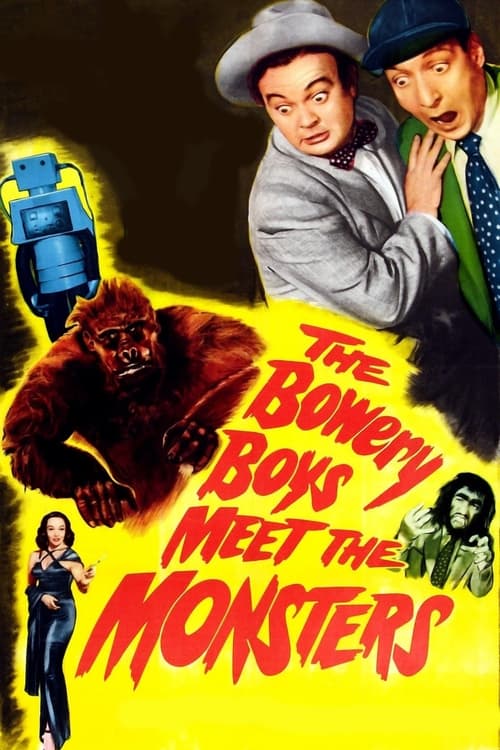
The Bowery Boys Meet the Monsters
1954
No user ratings available yet
Diversity score: 1.7 out of 10
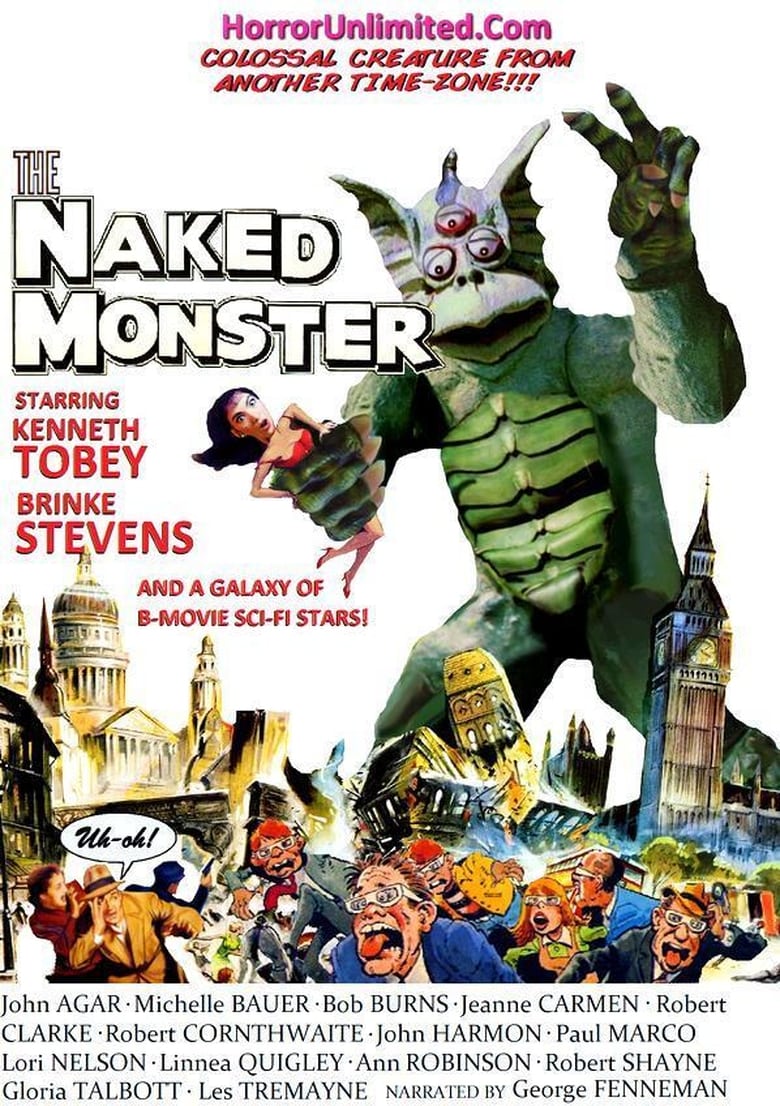
2005
Director
Ted Newsom, Wayne Berwick
Runtime
100 minutes
Average Rating
No ratings yetSynopsis
Using soundtracks and extensive footage from many old movies, this spoof/homage of 1950's science-fiction films brings back many favorite actors from these classic movies, some reprising their former roles, to help destroy a giant stop-motion monster that is threatening to destroy Los Angeles.
Overall Score
Limited
Category Breakdown
LGBTQ+ Representation
The film replicates the social structures of its 1950s source material. There is no evidence of non-cisnormative identities or narratives that critique heteronormativity.
Gender Representation
The production relies on mid-century archetypes and classic movie tropes. These historical hierarchies likely reinforce conventional gender roles rather than disrupting them.
Racial & Ethnic Diversity
Visual representation is dictated by the casting practices of the era. The use of archival footage means the film mirrors the homogeneous casting of the mid-20th century.
Religious & Cultural Diversity
The film functions as a nostalgic tribute to the Western film canon. It focuses on a traditional hero-versus-adversary structure rather than critiquing systemic institutions.
Disability Representation
The available information provides no evidence regarding the portrayal of physical disabilities or neurodivergence. The focus remains on genre tropes and stop-motion monsters.
Strengths
Areas for Improvement
AI Analysis
The Naked Monster is a stylistic homage that builds its world through the repurposing of archival footage. Because the film relies on existing historical media, its representation is inherently tied to the social constraints and casting norms of the 1950s. This reliance on mid-century science fiction creates a narrative architecture that mirrors past social hierarchies. The film prioritizes cinematic nostalgia and genre pastiche over contemporary intersectional disruption or socio-political subversion. Ultimately, the work acts as a preservation of established tropes. It reflects the limitations of its source material rather than introducing modern perspectives on identity or diversity.
1954
1972

1984

1982

2000
2001
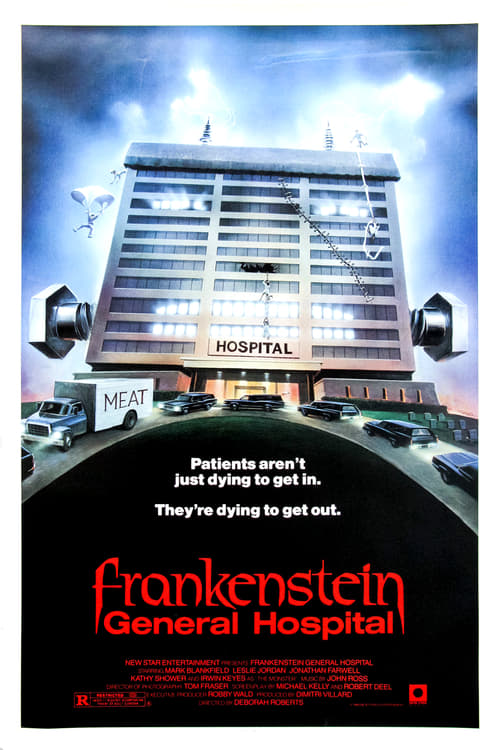
1988
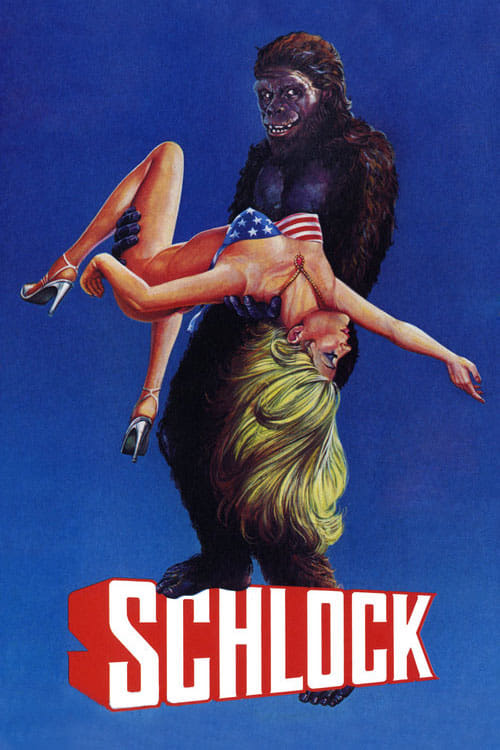
1973

1991
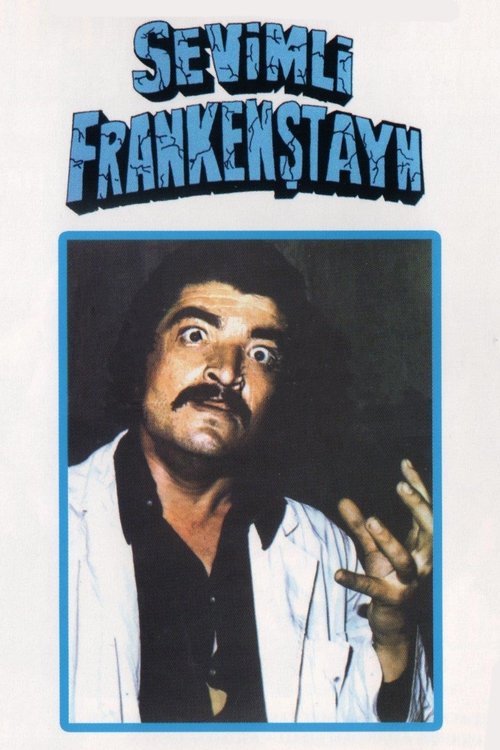
1975
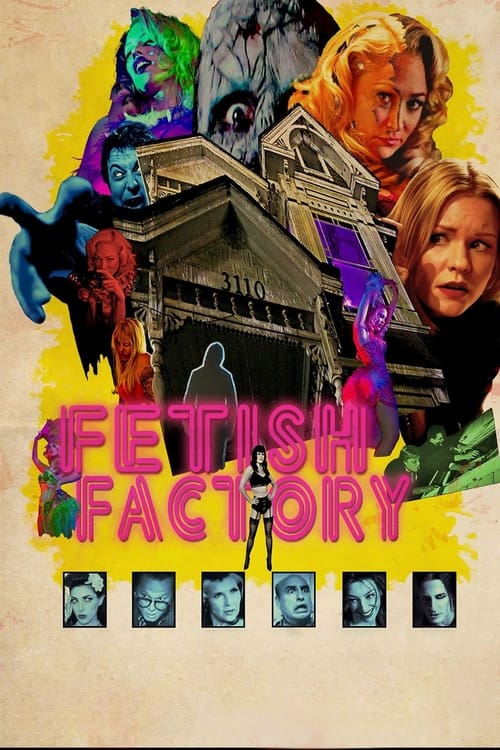
2017

1996
No reviews yet. Be the first to share your thoughts on this movie!
Use the rating form above to leave a star rating and optional review.