Wait
1968
No user ratings available yet
Representation score: 7.5 out of 10
Representation Score
Minimal
1964
Director
Nam June Paik
Runtime
8 minutes
Average Rating
No ratings yetNew Showbiz Analysis
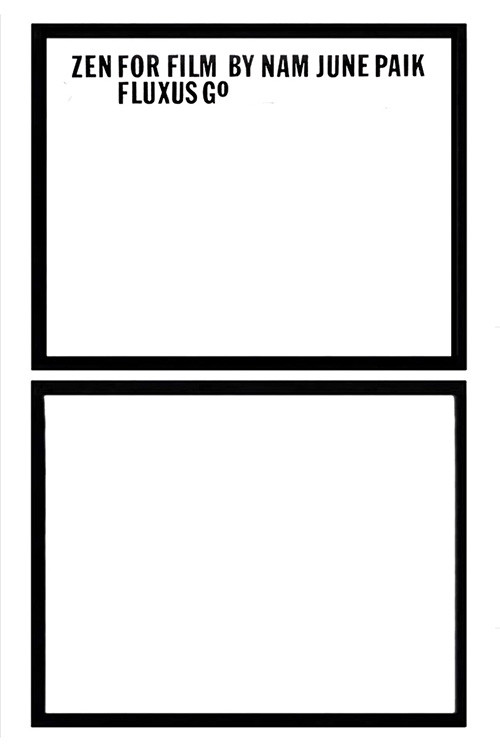
Zen for Film is a radical deconstruction of the cinematic medium. By projecting unexposed film, Nam June Paik shifts the focus from representational storytelling to the physical artifacts of the film strip itself, such as dust and scratches. Because the work is purely formalist and non-anthropocentric, it lacks the human subjects necessary to address identity-based categories like gender, race, or sexual orientation. However, the film offers significant cultural depth by functioning as a critique of Western consumerist media through Zen principles of emptiness and the rejection of polished, structured narratives.
Category Breakdown
The film lacks characterization, dialogue, or narrative structure. It focuses on light and texture rather than engaging with gender identity or sexual orientation.
The work does not include any human subjects. It does not engage with or challenge gender hierarchies since there are no actors or gendered personas present.
The film avoids all human representation. Although the director is influential in global media art, the content is strictly non-anthropocentric.
The work is grounded in disrupting Western cinematic traditions. It aligns with Zen philosophy, emphasizing emptiness and rejecting concrete imagery.
The film contains no depictions of human beings. Therefore, it does not address neurodivergence or physical disabilities.
Present on Screen
Limited or Absent
Official Synopsis
In an endless loop, unexposed film runs through the projector. The resulting projected image shows a surface illuminated by a bright light, occasionally altered by the appearance of scratches and dust particles in the surface of the damaged film material. This a film which depicts only its own material qualities; An "anti-film", meant to encourage viewers to focus on the lack of concrete images.
1968
1966
1971
1976
1969
1981
1975
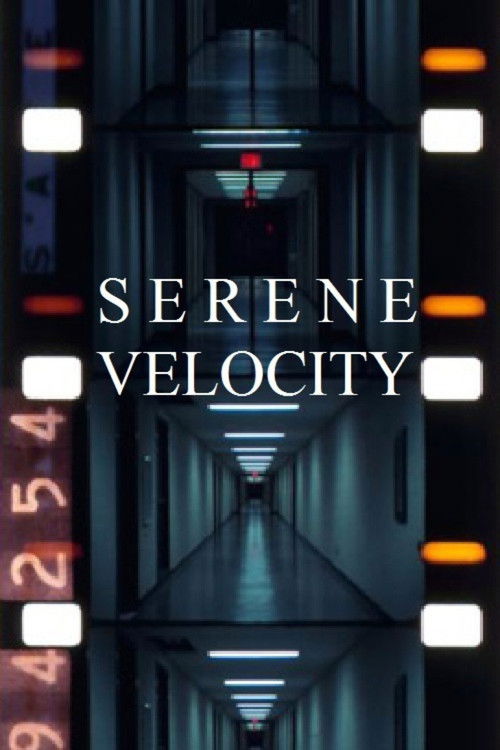
1970
No reviews yet. Be the first to share your thoughts on this movie!
Use the rating form above to leave a star rating and optional review.