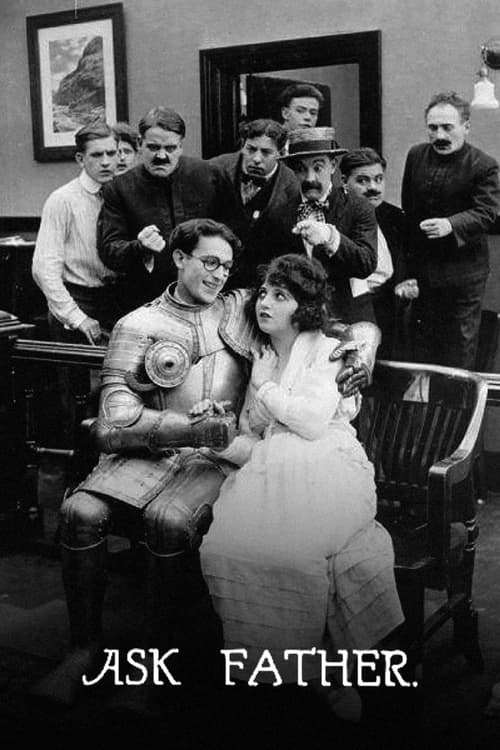
Ask Father
1919
No user ratings available yet
Diversity score: 2.4 out of 10
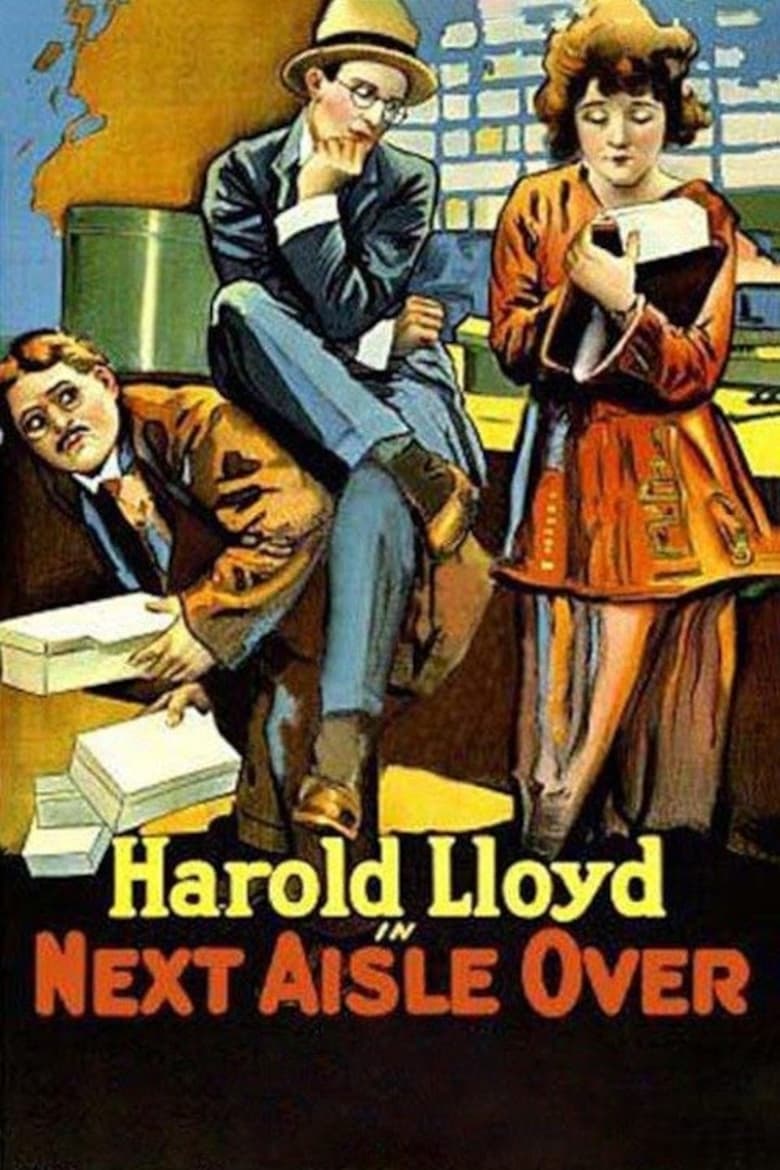
1919
NRDirector
Hal Roach
Runtime
10 minutes
Average Rating
No ratings yetSynopsis
A salesman takes a job at a department store to impress a girl and winds up stopping a kidnapping.
Overall Score
Limited
Category Breakdown
LGBTQ+ Representation
The film centers on a traditional romantic pairing between Harold and Bebe. It adheres to conventional silent-era archetypes without exploring non-cisnormative identities.
Gender Representation
Bebe Daniels shows agency by helping Harold navigate the manager, but the plot ultimately prioritizes male physical heroism. Her role as a counter girl reflects limited professional mobility.
Racial & Ethnic Diversity
The production features a homogeneous cast typical of 1919 American comedies. There is no evidence of racial blending or non-Anglo-Saxon majority casting.
Religious & Cultural Diversity
The story reinforces traditional values of industriousness within a capitalist department store setting. It uses slapstick to disrupt order rather than critiquing systemic power.
Disability Representation
The available documentation provides no information regarding the portrayal of physical or neurodivergent disabilities.
Strengths
Areas for Improvement
AI Analysis
Next Aisle Over is a product of its time, deeply rooted in the social hierarchies and demographic norms of the early silent film era. The narrative architecture relies heavily on conventional romantic and heroic tropes, offering very little disruption to the established status quo of 1919. While the film provides some character agency through Bebe's intervention in the plot, the broader structure remains focused on a homogeneous cast and traditional gender roles. The comedy stems from physical chaos rather than any meaningful exploration of diverse identities or systemic social critiques. Ultimately, the film functions as a standard period comedy, prioritizing slapstick and traditional courtship over any representation of marginalized groups or non-normative social structures.
1919
1918
1919
1919
1936
1921

1953
1937
1945
1917
1936
1927
No reviews yet. Be the first to share your thoughts on this movie!
Use the rating form above to leave a star rating and optional review.