
Matt Shepard Is a Friend of Mine
2014
No user ratings available yet
Representation score: 6.8 out of 10
Representation Score
Good
2015
Director
Robert L. Camina
Runtime
96 minutes
Average Rating
No ratings yetNew Showbiz Analysis
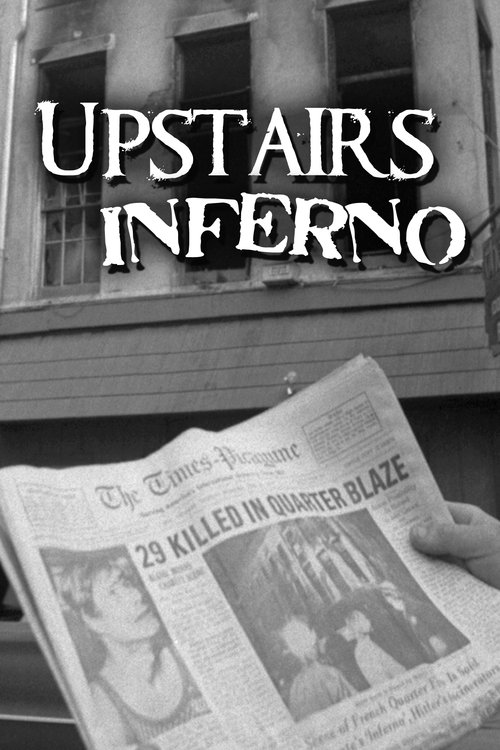
Upstairs Inferno is a significant work of restorative history that challenges traditional narratives favoring dominant social structures. By focusing on a mass murder of a underrepresented group, the film addresses historical erasure. The documentary goes beyond a simple retelling of a tragedy to analyze institutional negligence and social exclusion. It prioritizes the lived experiences of the community over sanitized official records. Ultimately, the film provides a complex, multi-layered view of a community's struggle for survival and recognition, framing the 1973 arson as a result of systemic indifference.
Category Breakdown
The film centers the lives and identities of LGBTQ+ individuals through survivor testimonies and archival context, providing a platform for their stories.
The documentary focuses on the gendered social dynamics of the 1970s gay bar scene, offering a nuanced look at diverse personal accounts from survivors.
The film explores how systemic social hierarchies affected the response to the tragedy, reflecting the multi-layered social landscape of New Orleans in 1973.
The film critiques Western institutions by highlighting how management negligence and regulatory failures contributed to systemic lapses rather than isolated accidents.
While the film depicts physical trauma from the fire, it does not specifically address long-term disability or neurodivergence as central narrative drivers.
Present on Screen
Limited or Absent
Official Synopsis
On June 24, 1973, a gay bar in New Orleans called the Up Stairs Lounge was deliberately set on fire — an event that, for over 40 years, was considered the "Largest Gay Mass Murder in U.S. History."
2014

2017

2000

1984

2011

2019

1997
2007
No reviews yet. Be the first to share your thoughts on this movie!
Use the rating form above to leave a star rating and optional review.