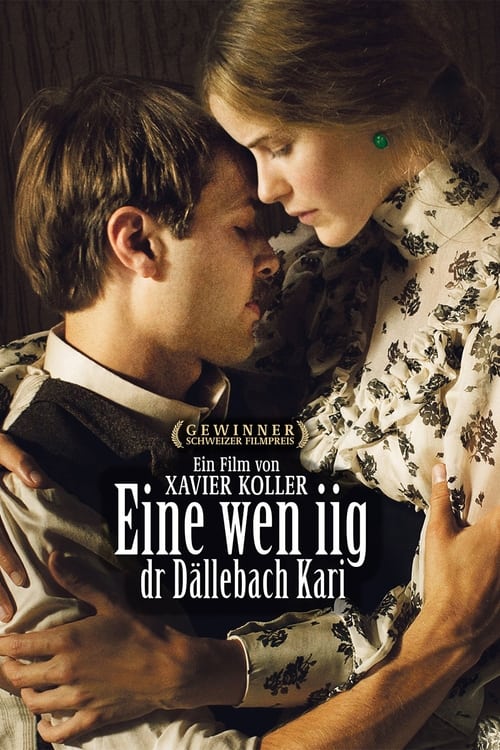
Eine wen iig, dr Dällebach Kari
2012
No user ratings available yet
Diversity score: 5.1 out of 10

1980
PGDirector
Moshé Mizrahi
Runtime
96 minutes
Average Rating
No ratings yetSynopsis
A middle-aged disabled man unknowingly begins a lonely hearts correspondence with his own unmarried sister, who takes care of him. As he writes more and more to her, he begins to fall in love, and she, knowing that it is her brother who is writing, discovers a new, tender side to him. But trouble looms when he asks to meet her in person.
Overall Score
Fair
Category Breakdown
LGBTQ+ Representation
The film explores intense emotional intimacy and identity blurring without explicitly depicting queer romantic arcs. The tension stems from accidental connections rather than non-cisnormative identities.
Gender Representation
The female protagonist maintains significant emotional agency as both caregiver and confidante. She shapes the narrative trajectory, subverting the trope of the passive female subject.
Racial & Ethnic Diversity
Set within a specific Jewish cultural context, the film offers a focused look at ethnic identity. It provides depth to a specific milieu rather than a multi-ethnic cast.
Religious & Cultural Diversity
The story prioritizes subjective morality and internal truths over rigid religious dictates. It explores the tension between individual desire and communal or familial responsibility.
Disability Representation
The narrative centers on a character with physical limitations without using him as an object of pity. Disability is integrated into his psychological landscape and drives the conflict.
Strengths
Areas for Improvement
AI Analysis
Moshé Mizrahi’s drama succeeds as a sophisticated character study that avoids conventional romantic tropes. By utilizing an epistolary structure, the film explores the psychological impact of physical limitations and the boundaries of intimacy. The film's primary strength is its nuanced treatment of disability and the subversion of gendered power dynamics. It grants agency to characters who might otherwise be sidelined in traditional period dramas. However, the film lacks explicit representation in terms of LGBTQ+ identities and multi-ethnic casting. It remains a focused, intimate study of a specific cultural and physical experience.
2012
2011
2018
2005

1995
1999
2008
1980
1989
1990
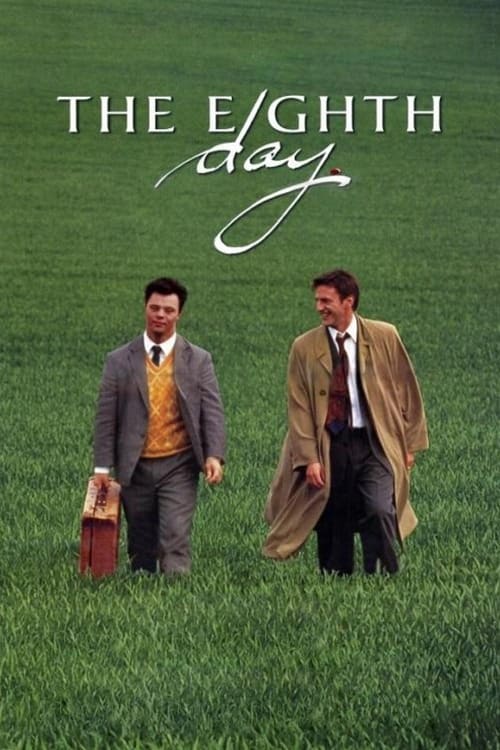
1996
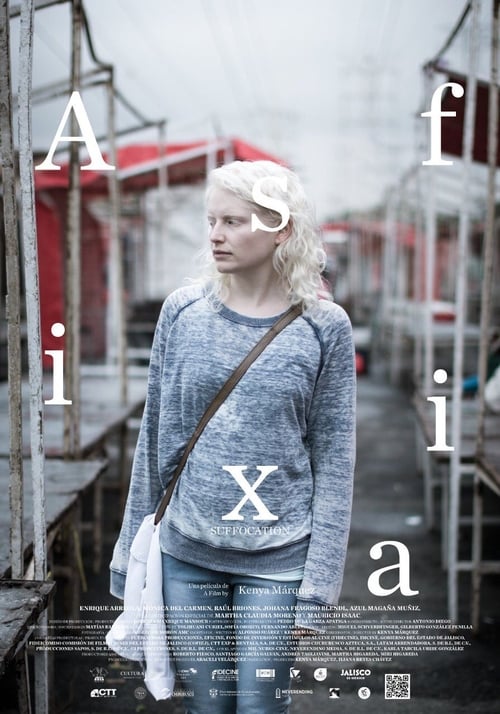
2018
No reviews yet. Be the first to share your thoughts on this movie!
Use the rating form above to leave a star rating and optional review.