
The Flood
2011
No user ratings available yet
Representation score: 7.3 out of 10
Representation Score
Fair
2008
PG-13Director
Elissa Down
Runtime
97 minutes
Average Rating
No ratings yetNew Showbiz Analysis
The Black Balloon is a character-driven study that excels in its portrayal of neurodiversity. By centering the lived experience of an autistic adolescent, the film avoids common clichés and treats disability with dignity and ability to act. However, the film's impact is limited by its lack of perspectives that reflect multiple aspects of identity. The narrative remains focused on a homogeneous family unit, offering little engagement with LGBTQ+ identities or racial diversity. Ultimately, the film's strength lies in its refusal to sanitize the complexities of caregiving. It presents a realistic, often difficult look at how neurodivergence shapes familial responsibilities and emotional labor.
Category Breakdown
The film does not include any LGBTQ+ characters or narratives. The romantic storyline centers around a heterosexual relationship between teenagers.
The story delves into gendered emotional labor, especially through the mother's experiences with pregnancy and neurodivergent parenting. Male characters exhibit significant emotional vulnerability.
The film portrays a predominantly white Australian family. It focuses on a specific region in New South Wales without showcasing diverse casting.
The narrative presents a naturalistic depiction of the family unit. It highlights the domestic sphere as a place of tension and exhaustion rather than an idealized institution.
Charlie’s autism is a central, driving force of the plot, rather than a mere plot device. The film depicts sensory challenges and social friction with a raw, unvarnished lens.
Present on Screen
Limited or Absent
Official Synopsis
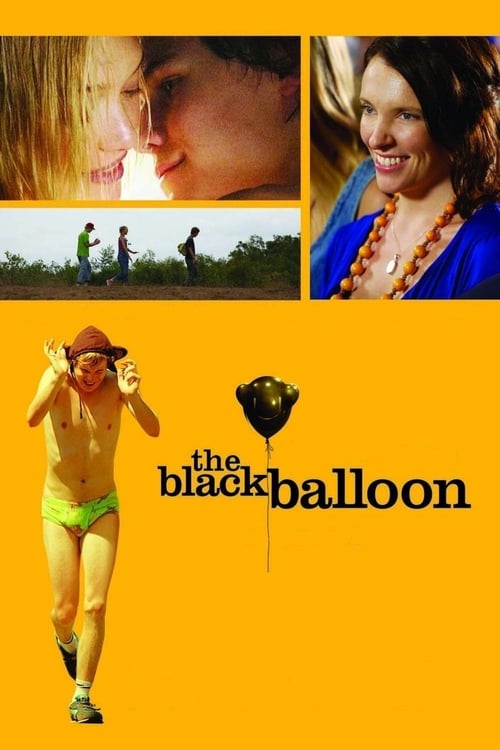
Thomas is turning 16. His dad's in the army and they've just moved to a town in New South Wales; his mom is pregnant; his older brother, Charlie, who's autistic, has his own adolescent sexual issues. Thomas finds Charlie an embarrassment in public, so when Thomas is attracted to Jackie, a girl in his swim class, Charlie presents any number of obstacles when she drops by their house, when the three of them go for a walk, and during a family birthday dinner. Can Thomas find a way to enter the world of teen romance and still be his brother's keeper, or is Charlie's disability going to prove more than Thomas can handle?
2011

2010

2010

2011

2010

2014

2023

2023
No reviews yet. Be the first to share your thoughts on this movie!
Use the rating form above to leave a star rating and optional review.