Love Is Light
2022
No user ratings available yet
Representation score: 4.3 out of 10
Representation Score
Limited
2023
Director
Kentarō Takemura
Runtime
111 minutes
Average Rating
No ratings yetNew Showbiz Analysis
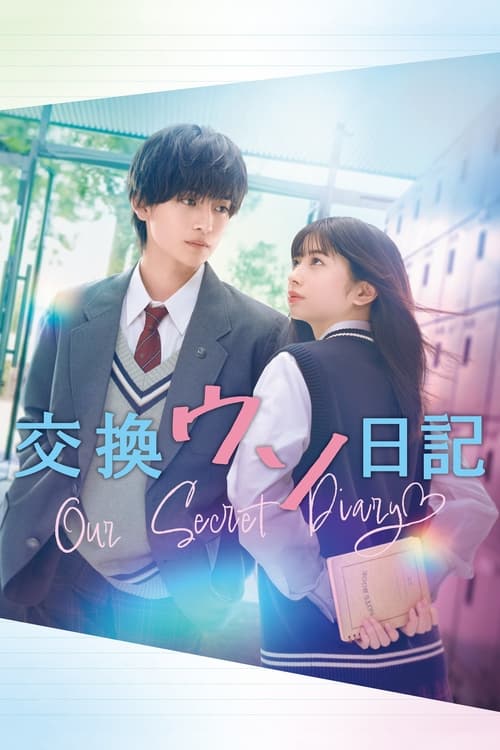
Our Secret Diary is a conventional romantic drama that emphasizes interpersonal tension over social critique. The narrative relies on the classic cliché of mistaken identity and secret exchanges to create emotional stakes. The film adheres strictly to established genre conventions, focusing on the private emotional landscape of its protagonists rather than exploring identity politics or deconstructing systemic social hierarchies. Ultimately, the work functions as a character-driven piece about deception and intimacy within a standard high school setting.
Category Breakdown
The story focuses on a heterosexual relationship between Nozomi and Jun. There are no characters with non-traditional gender identities or critiques of the assumption that everyone is straight or cisgender.
The film follows typical gender roles with a popular male and a female lead. While Nozomi takes a central role in the story, the power dynamics reflect traditional high school relationships.
This is a culturally specific Japanese production. It does not include characters from diverse ethnic backgrounds or characters who reflect more than one aspect of diversity.
The narrative explores adolescent social interactions and peer relationships. It avoids radical secular themes and focuses on personal honesty within a traditional context.
The plot does not involve characters dealing with physical, neurodivergent, or mental health conditions.
Present on Screen
Limited or Absent
Official Synopsis
Nozomi Kuroda is in the 2nd grade of high school. One day, she finds a letter in a classroom desk. The letter has only the word "like" written on it. The person who wrote the letter is Jun Setoyama. He happens to be the most popular boy at the high school. Nozomi Kuroda feels embarrassed, but she eventually leaves a reply in a shoe closet at school. This is how their secret exchange diary begins. Nozomi Kuroda soon learns that the intended recipient for the first letter was her best friend. Nevertheless, Nozomi Kuroda is attracted to Jun Setoyama, who expresses his thoughts and feelings unlike her. She's unable to tell him the truth that the person exchanging messages is her and not her best friend.
2022
2010
2025

2007
2021
2016
2023
2008
No reviews yet. Be the first to share your thoughts on this movie!
Use the rating form above to leave a star rating and optional review.