Honey
2018
No user ratings available yet
Representation score: 3.8 out of 10
Representation Score
Good
2023
Director
Mai Sakai
Runtime
100 minutes
Average Rating
No ratings yetNew Showbiz Analysis
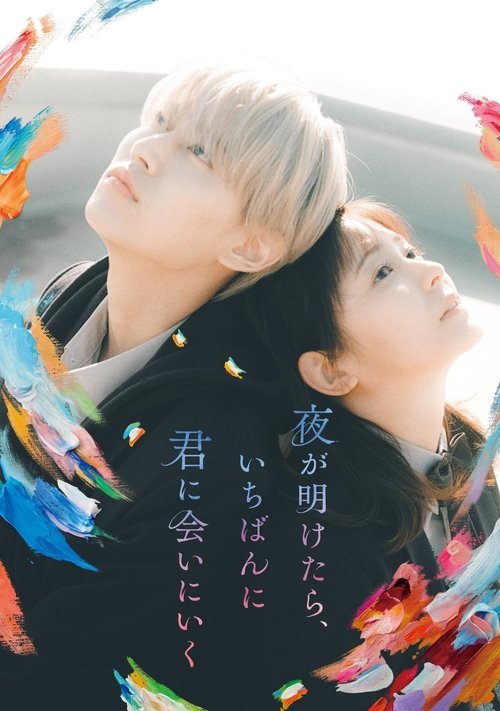
You Made My Dawn is a character-driven romance that emphasizes individual emotional complexity over broader social critique. It successfully challenges certain personality types, especially through Seiji's straightforwardness and Akane's hidden depth. However, the film adheres to traditional demographic and narrative structures. It lacks explicit representation of LGBTQ+ identities, racial diversity, or defined disability themes, staying within a culturally homogeneous framework. Ultimately, the film's strength lies in its exploration of personal authenticity and the 'masks' people wear to meet societal expectations, rather than in broad social disruption.
Category Breakdown
The story centers around a heterosexual relationship between Seiji and Akane. There is no explicit mention of queer identities or actions that suggest queer ability to act.
The main characters offer a balanced dynamic. Seiji's straightforward and free-spirited nature challenges traditional passive male roles, while Akane has a complex inner life beyond her model-student persona.
The film reflects the demographic homogeneity typical of Japanese high school dramas. There is no indication of diverse casting or non-Anglo-Saxon majority representation.
The narrative explores the tension between personal identity and social conformity. It subtly critiques the pressure of conformity through characters who hide their true selves.
Akane’s constant use of a face mask may symbolize social anxiety or neurodivergence. However, no clinical disability is explicitly confirmed.
Present on Screen
Limited or Absent
Official Synopsis
Fukagawa Seiji is a high school student with silver color hair. He is free-spirited and fond of painting. He tells people exactly what he thinks, but he also has a mysterious side. His classmate is Niwa Akane. Akane is a model student who always wears a face mask. At first, she doesn’t like Seiji, but she is attracted by Seiji's paintings and his blunt personality. They get close with each other, and they both have their own secret they can’t tell anyone. Adapted from the novel "Yoru ga Aketara, Ichiban ni Kimi ni Ai ni Iku" (When the Dawn Breaks, I’ll Be the First to See You)
2018
2010
2021
2007
2016

2019
2025
2009
No reviews yet. Be the first to share your thoughts on this movie!
Use the rating form above to leave a star rating and optional review.