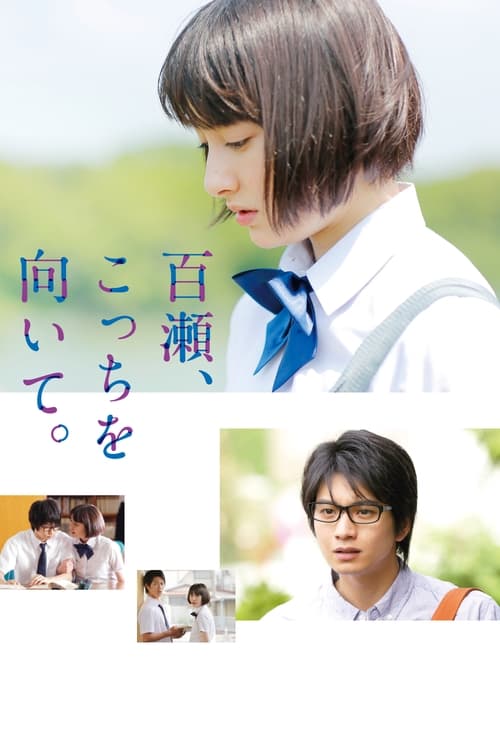
My Pretend Girlfriend
2014
No user ratings available yet
Representation score: 2.3 out of 10

Representation Score
Minimal
2016
Director
Ryuichi Hiroki
Runtime
116 minutes
Average Rating
No ratings yetNew Showbiz Analysis
Wolf Girl and Black Prince follows a conventional genre structure that upholds established social hierarchies. The narrative emphasizes social status and teenage popularity within a traditional framework. The film lacks complexity in addressing multiple aspects of diversity, focusing instead on straight-centered clichés and a homogeneous cast that reflects its specific cultural context. Overall, the production prioritizes traditional romantic dynamics over progressive storytelling, reinforcing rather than challenging existing social norms.
Category Breakdown
The film centers on heterosexual relationships and does not include any LGBTQ+ identities or alternative relationship structures.
Gender roles in the film emphasize traditional power dynamics, with the male lead having emotional control and the female lead being more reactive and submissive.
The cast is very uniform, representing a specific Japanese high school demographic. There is no indication of diverse ethnic or non-Japanese backgrounds.
The story focuses on teenage social status and peer pressure, avoiding deeper critiques of traditional institutions such as family and school.
The film does not depict any visible or invisible disabilities. Characters are shown as neurotypical students going through typical social experiences.
Present on Screen
Limited or Absent
Official Synopsis
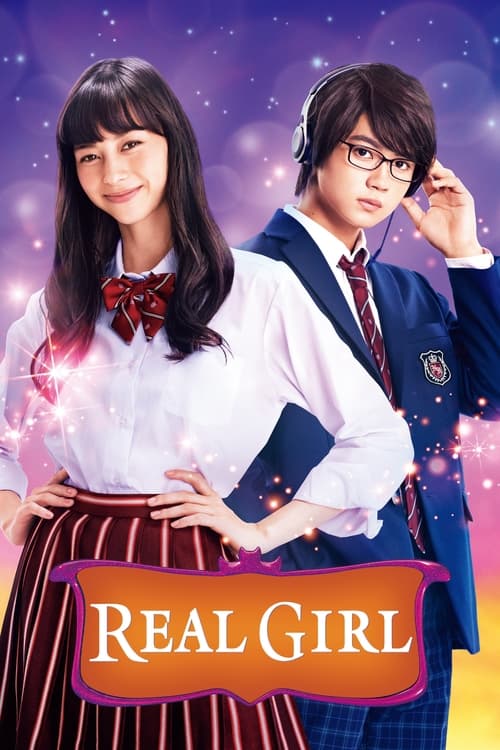
Erika Shinohara is a first year of high school student. While talking to friends, she makes up a story about her "boyfriend." In reality, Erika Shinohara doesn't have a boyfriend. Erika's friends soon begin to doubt her story and Erika is also running out of lies. Erika then sees a pretty boy on the street and takes his picture discreetly. She later shows his picture to her friends as her boyfriend. The boy in the picture is Kyouya Sata and happens to attend the same school as Erika. She tells Kyouya about her situation and asks him to be her pretend boyfriend. Even though Kyouya has a pretty appearance, he has a dark side.
2014
2010
2021

2007
2015
2018
2023

2018
No reviews yet. Be the first to share your thoughts on this movie!
Use the rating form above to leave a star rating and optional review.