End of Truth
2017
No user ratings available yet
Representation score: 5.3 out of 10
Representation Score
Fair
2016
Director
David Schisgall
Runtime
86 minutes
Average Rating
No ratings yetNew Showbiz Analysis
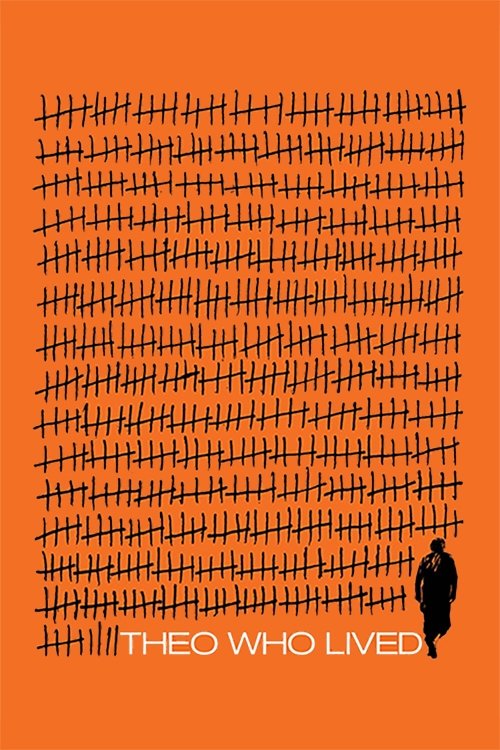
Theo Who Lived serves primarily as a journalistic document of a geopolitical crisis. Its diversity lies in its engagement with international instability and the deconstruction of Western-centric perspectives. The film avoids explicit identity-based clichés, focusing instead on the vulnerability of an individual against large-scale political structures. This provides a meaningful look at global multi-layered struggles through a lens of crisis.
Category Breakdown
The film focuses on the geopolitical realities of the Syrian Civil War. There are no LGBTQ+ characters or narratives exploring non-straight relationships.
The narrative centers on the role of Theo Padnos, a male journalist. While it highlights men's control over the story in a survivalist context, female perspectives are not explicitly detailed.
The documentary engages with Middle Eastern perspectives by documenting the Syrian conflict. It centers a Western journalist within a non-Western landscape, disrupting traditional observer dynamics.
The film explores the tension between Western journalistic ideals and non-Western extremist ideologies. It avoids simplified frameworks, focusing instead on the chaos of systemic collapse.
There is no information regarding the portrayal of physical or neurodivergent disabilities within the film.
Present on Screen
Limited or Absent
Official Synopsis
In the late fall of 2012, Theo Padnos, a struggling American journalist, slipped into Syria to report on the country's civil war and was promptly kidnapped by Al Qaeda's branch in Syria.
2017
2019
2016
2020

2018
2015
2020
2020
No reviews yet. Be the first to share your thoughts on this movie!
Use the rating form above to leave a star rating and optional review.