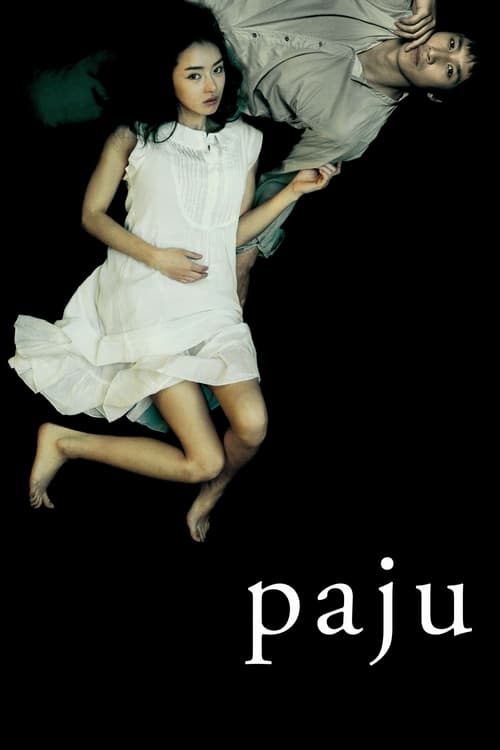
Paju
2009
No user ratings available yet
Diversity score: 4.6 out of 10
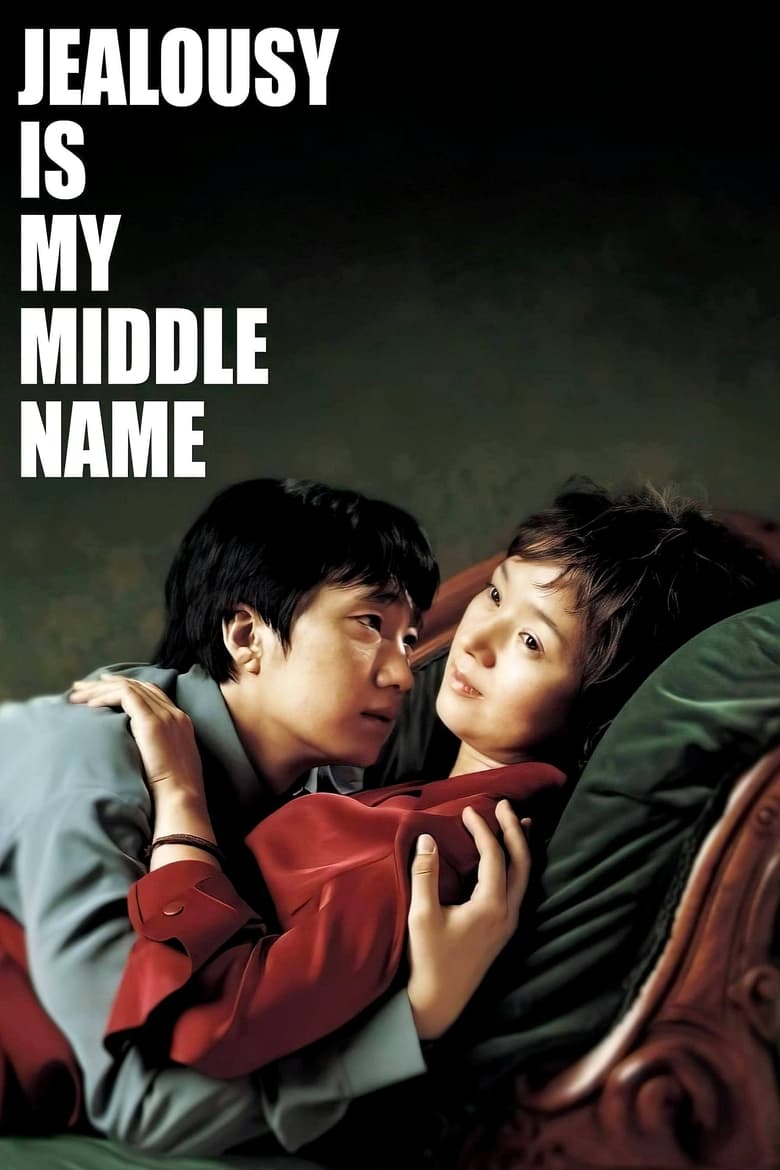
2003
Director
Park Chan-ok
Runtime
124 minutes
Average Rating
No ratings yetSynopsis
Quiet, intelligent, solemn and recently dumped by his girlfriend, graduate student Lee Weon-san takes a job at a literary magazine, ostensibly to supplement his income, but really to get close to the editor - the reason he’s now single. The editor, unaware of who Lee is, takes a shine to him and makes him his personal assistant.
Overall Score
Fair
Category Breakdown
LGBTQ+ Representation
The film focuses on heteronormative romantic tensions and the fallout of shifting affections. There is no explicit depiction of non-cisnormative identities or same-sex intimacy as a central driver.
Gender Representation
The narrative disrupts conventional hierarchies by centering on female social agency and interpersonal dynamics. It avoids submissive tropes, instead exploring female rivalry and the complexities of emotional labor.
Racial & Ethnic Diversity
The cast is culturally homogeneous, reflecting a specific South Korean social setting. While it lacks multicultural blending, the authenticity avoids Western-centric casting norms.
Religious & Cultural Diversity
The story prioritizes psychological realism and situational ethics over didactic moral frameworks. It subtly critiques traditional social structures through the lens of volatile human emotions.
Disability Representation
There is no significant evidence of physical or neurodivergent disabilities. Characters navigate standard socioeconomic environments without disability serving as a central plot point.
Strengths
Areas for Improvement
AI Analysis
Park Chan-ok’s drama succeeds as a sophisticated psychological study that prioritizes internal emotional landscapes over archetypal conflicts. It excels at subverting traditional gendered social spaces, offering a nuanced look at human morality and social friction. However, the film lacks overt intersectional visibility. The narrative remains largely within a heteronormative framework and does not feature significant representation for LGBTQ+ individuals or people with disabilities. Ultimately, the film is a character-driven work that finds strength in its realism and its refusal to rely on idealized social cohesion.
2009

2005
2000
2002

2004
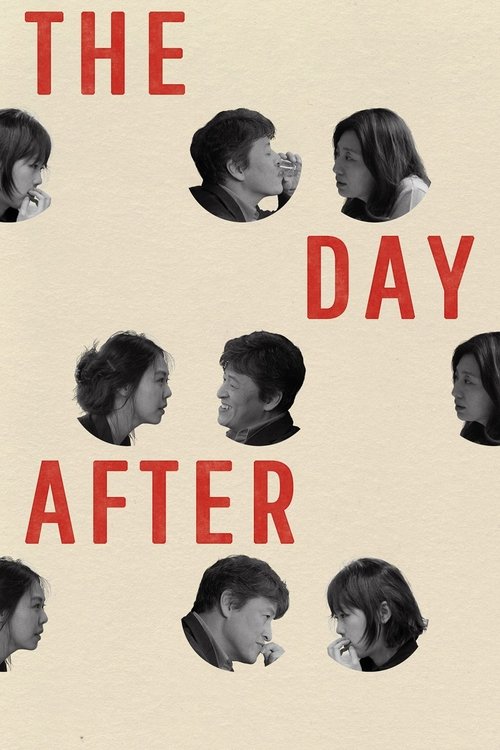
2017
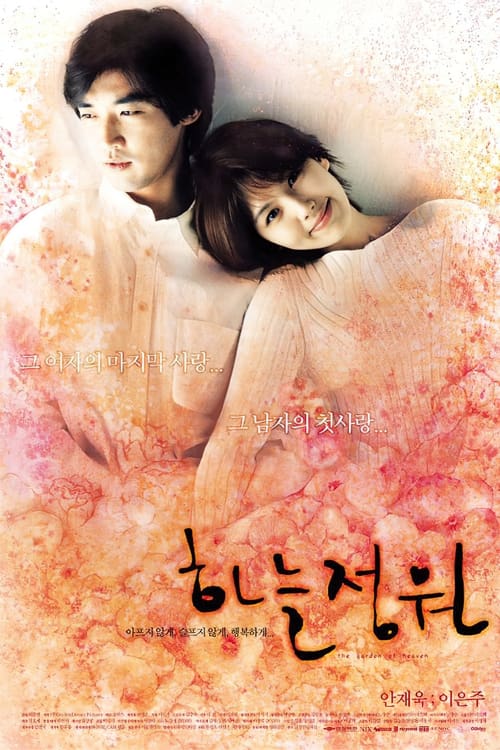
2003
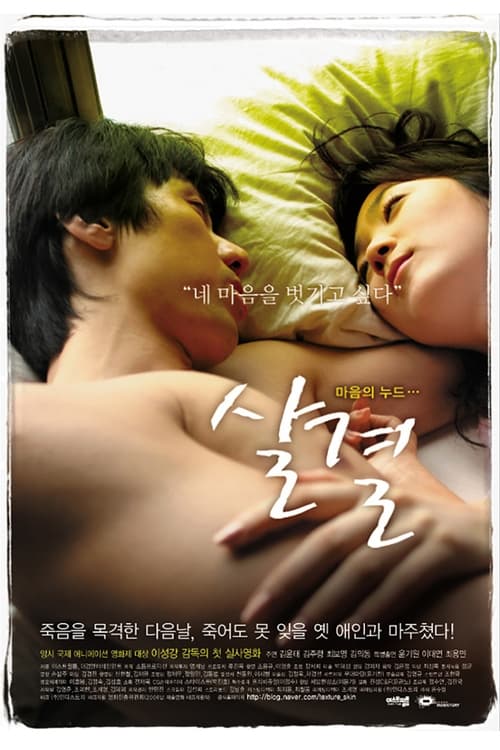
2007

2011

2010
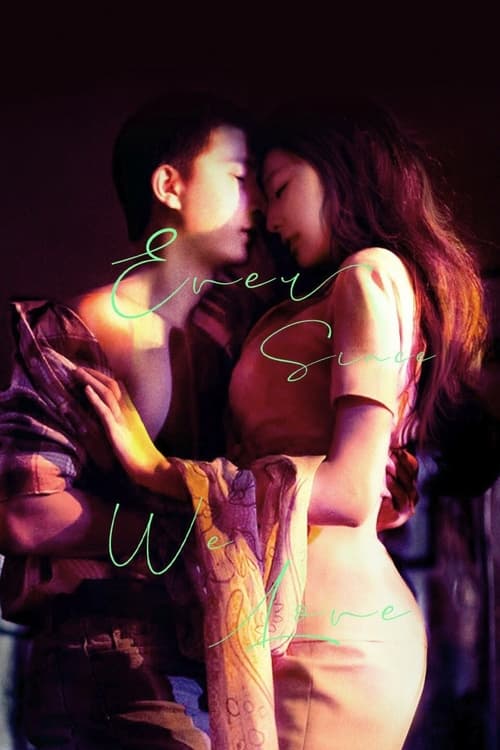
2015
2020
No reviews yet. Be the first to share your thoughts on this movie!
Use the rating form above to leave a star rating and optional review.